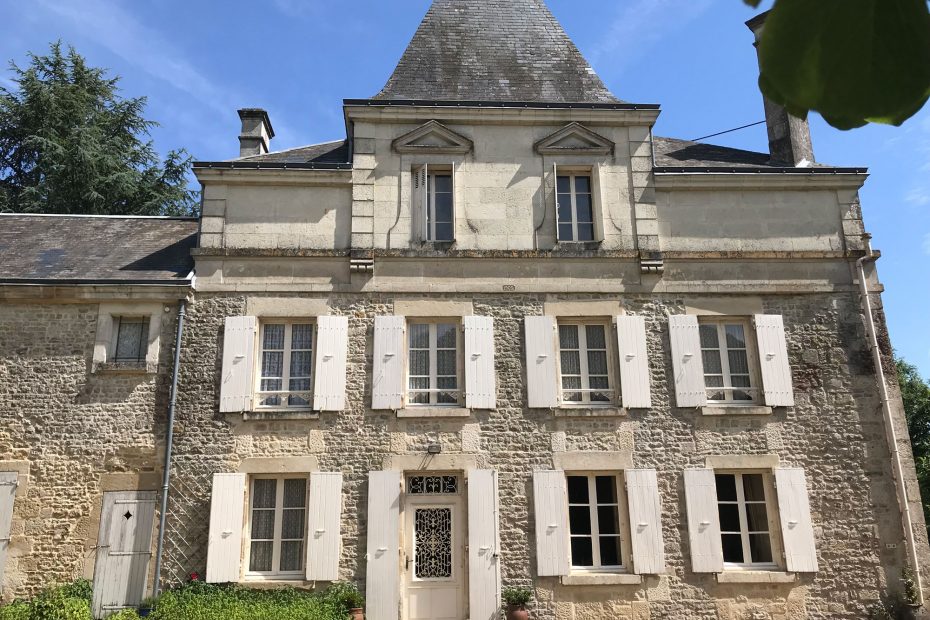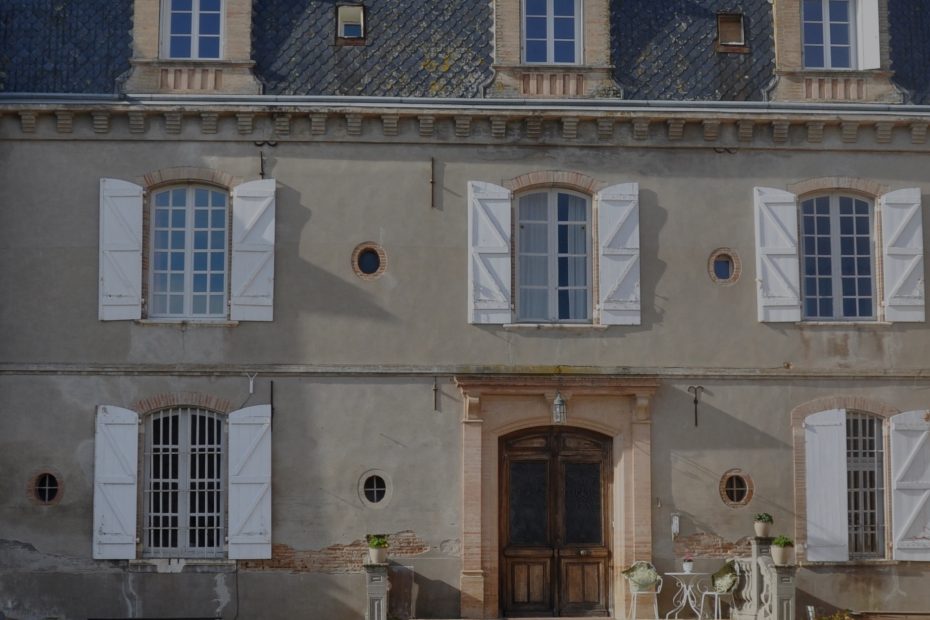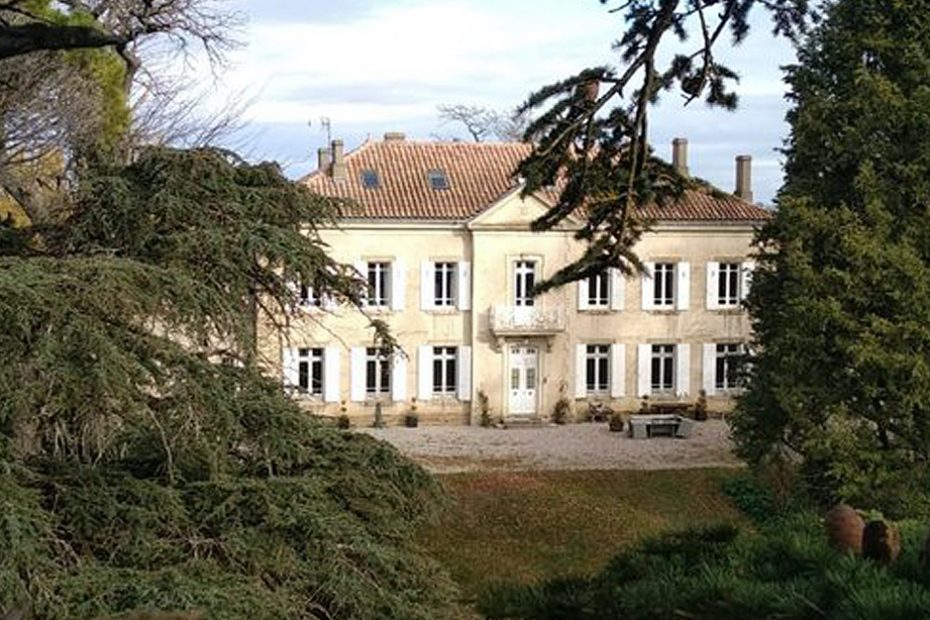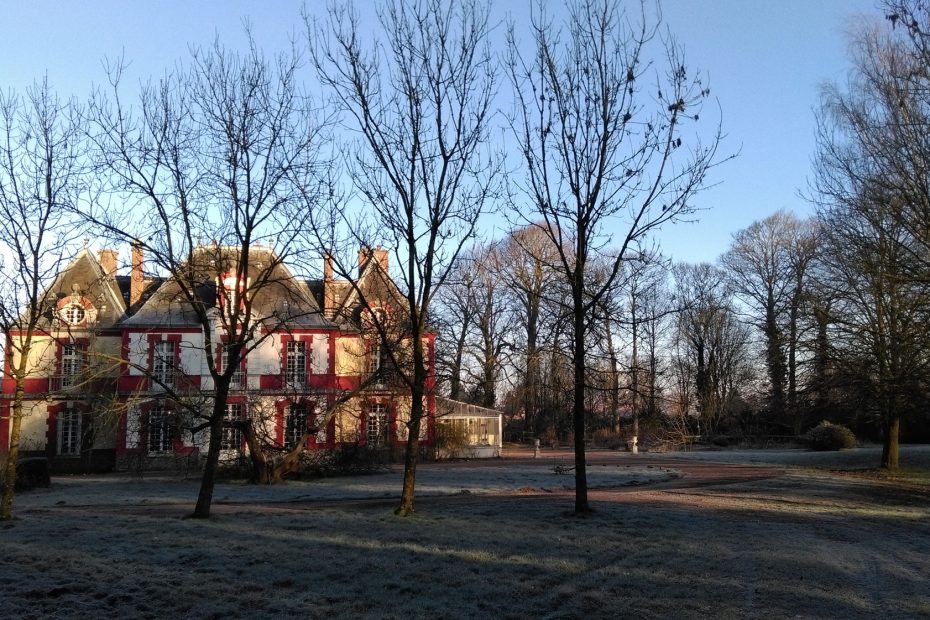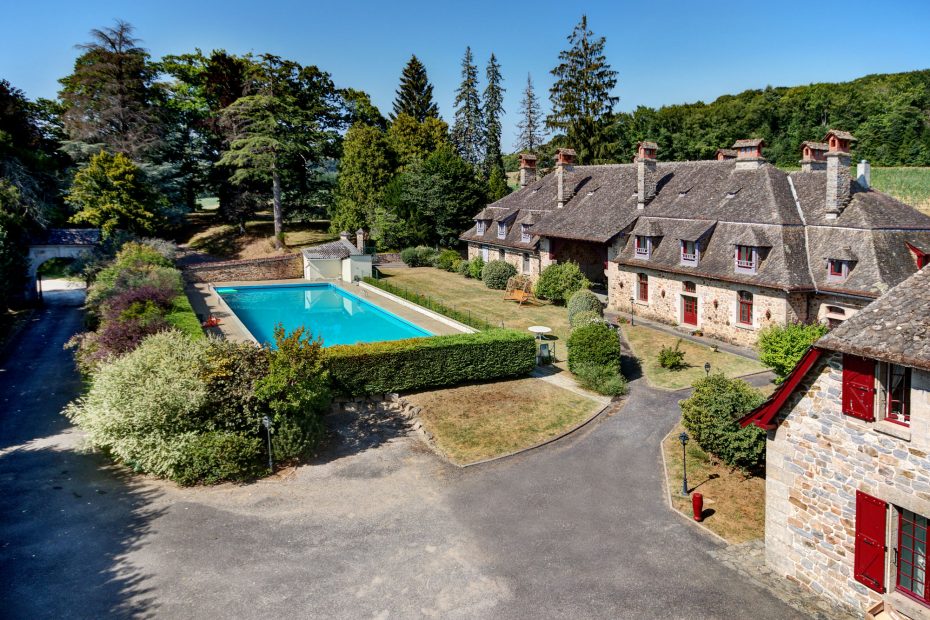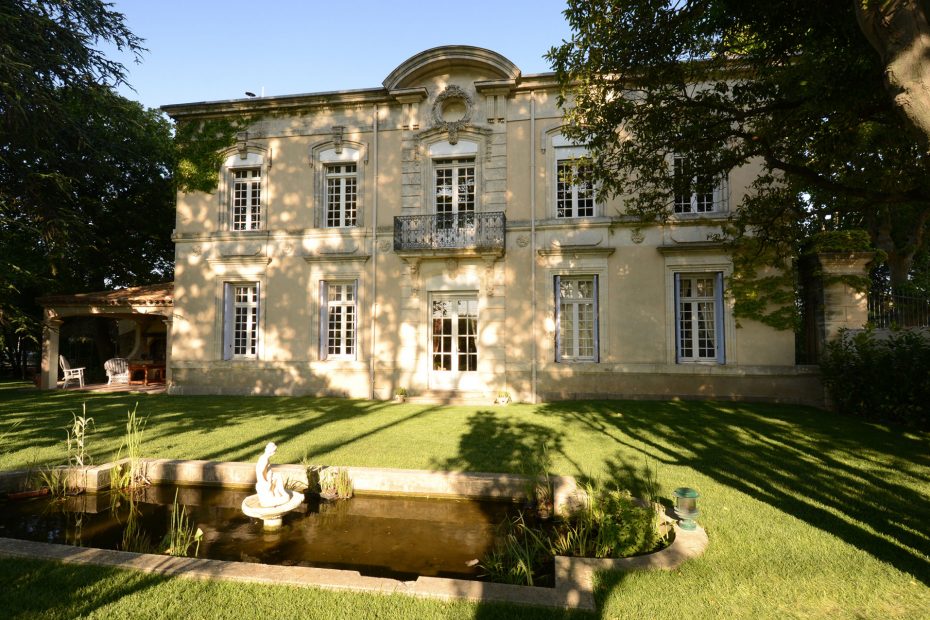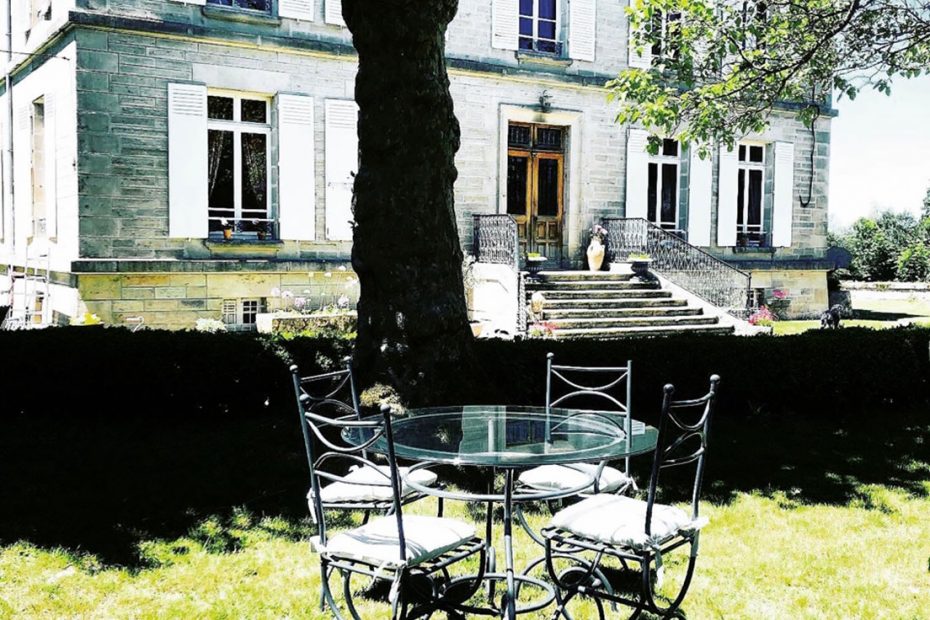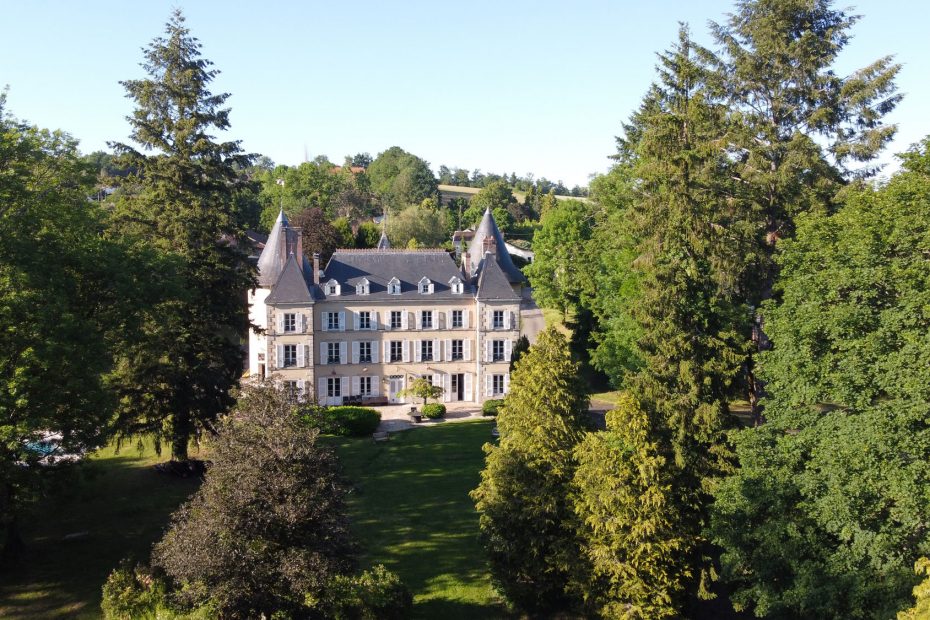
Château de Seguenville
Becky and Mark
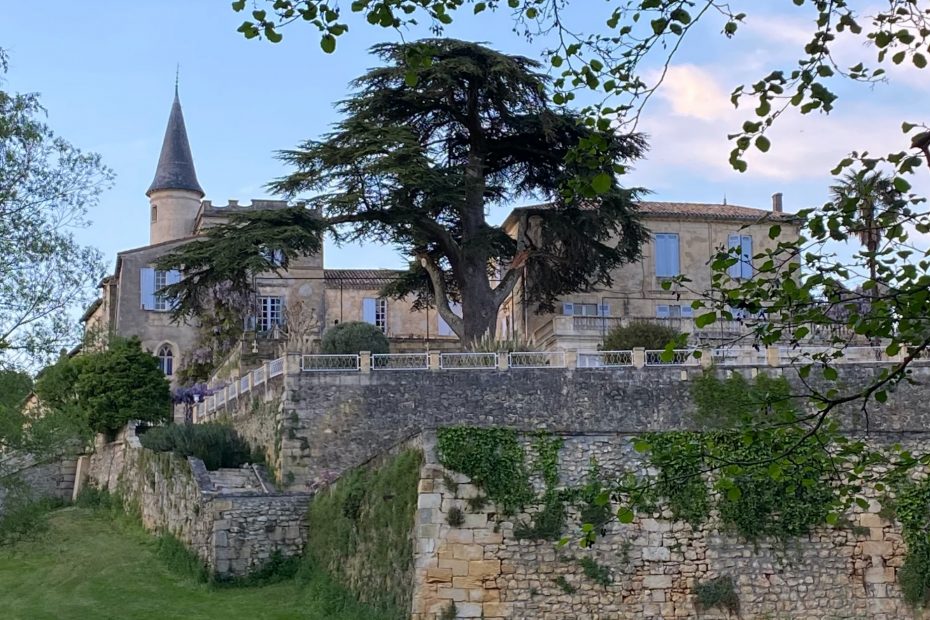
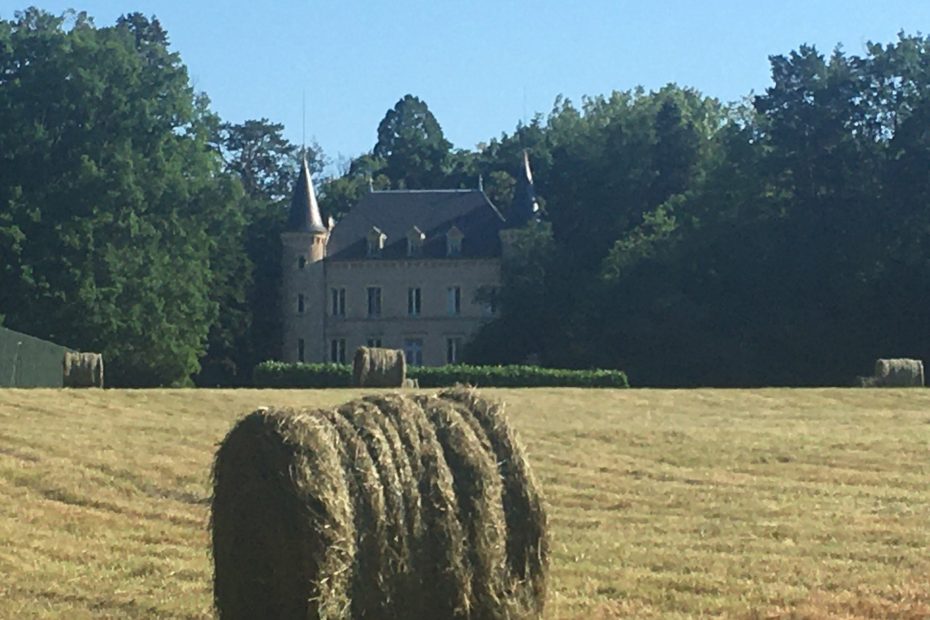
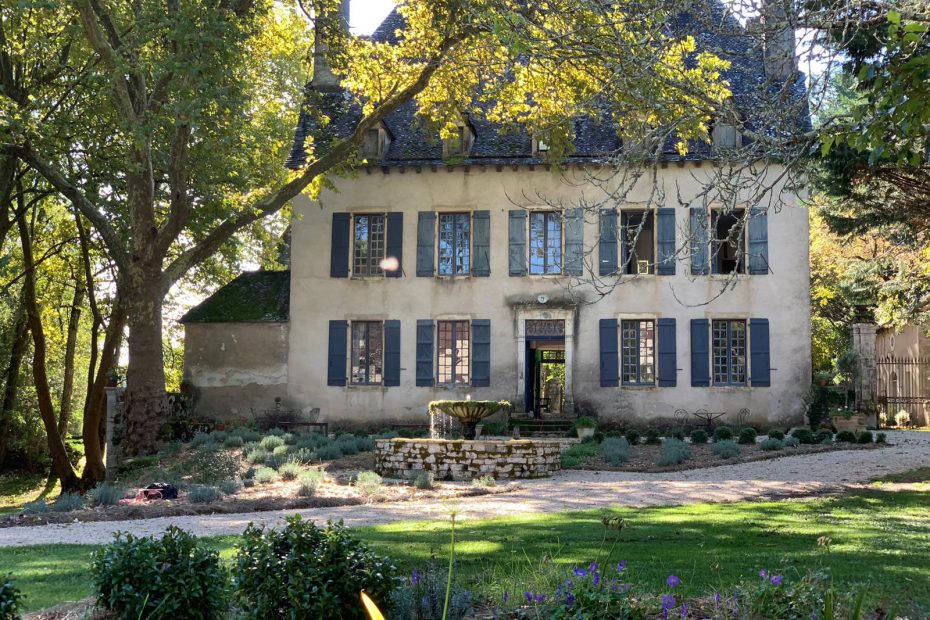
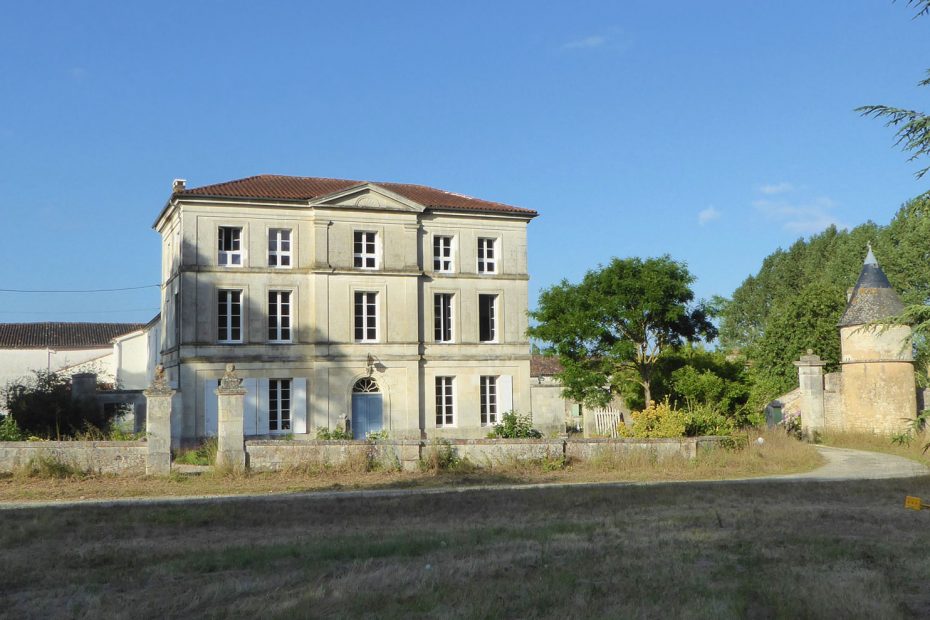
The original château was built in 1647 and extended in the 1800s in southwest France, about an hour’s drive from Toulouse.
Becky and Mark
The original château was built in 1647 and extended in the 1800s in southwest France, about an hour’s drive from Toulouse.
Jayne and Steve
The Château de Thuries in March 2018, is a boutique Chambres d’Hotes and events venue.
Located under an hour from both Toulouse and Carcassonne it’s the perfect place to unwind.
Margreeth and Tim
The Château de Lys, or the “Castle of Lillies” is set in the Somme valley. The main house was originally built as a hunting retreat, and the château has grown over time with new each owner. It’s still being added to today.
Abbie, Karen Clive and Ross
Overlooking the medieval town of Beaulieu-Sur-Dordogne, Château du Doux, was designed by one of the world’s leading 20th Century architects, Jean-Louis Pascal, who also designed the famous Bibliothèque Nationale de France in Paris.
Sasha and Tim
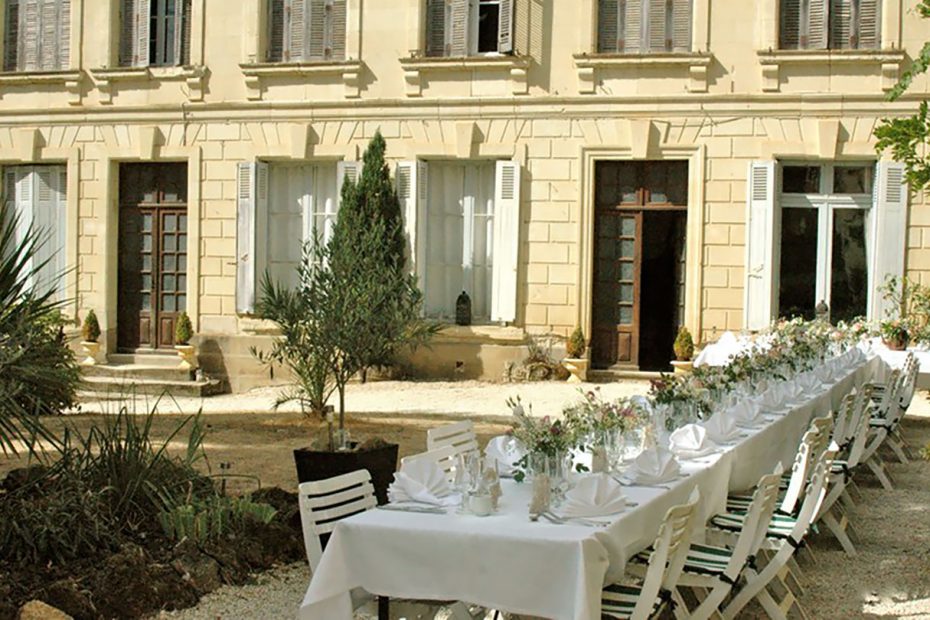
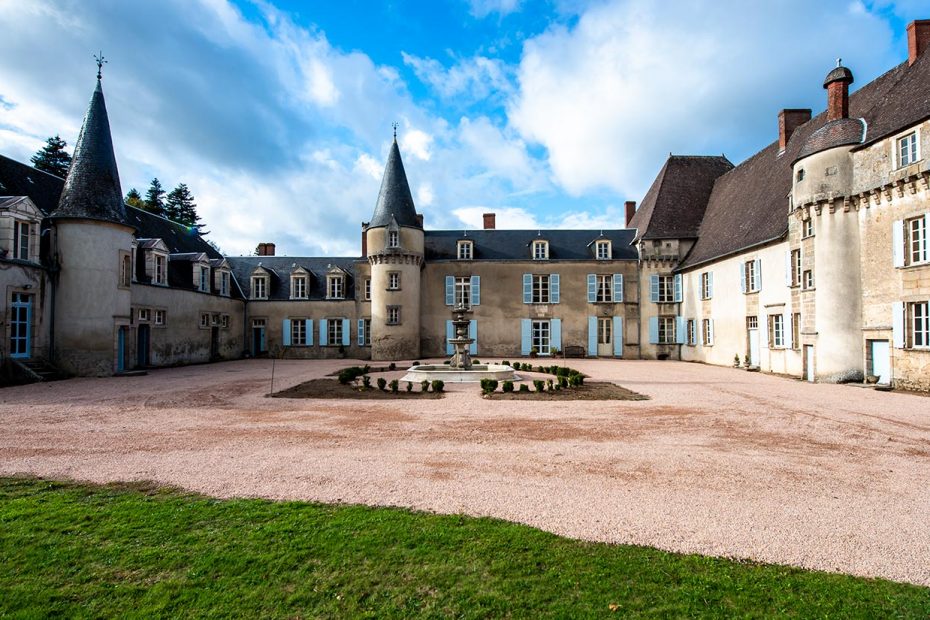
A beautiful and tranquil boutique hotel with Spa, close to the Canal du Midi in sunny Cathar country. The Château du Puits es Pratx consists of the château itself, various outbuildings where vineyard workers used to live, and as a focal point, a stunning courtyard.
Debbie and Nigel
Built in around 1895 for members of the French and Belgian nobility, this château is one of the first buildings to use a steel frame for support, which was clad with granite. Once a hunting lodge, in the Second World War the French resistance turned it into a hideout.
Helen and Matthew
The Chateau la Briance in the Limousin region of southwest France was built in 1740 and had two large turrets added 100 years later. Both have been converted into bedrooms. On the ground floor stands an impressive, wooden 6-metre ornate fireplace that’s at least 200 years old.
Ben and Billie
Situated in the Loire Valley, La Grande Maison is an historic house with part of it dating back to 1745. It’s even included in the area’s Cadastral plan for calculating land tax in the Napoleonic era.
Karen and Paul
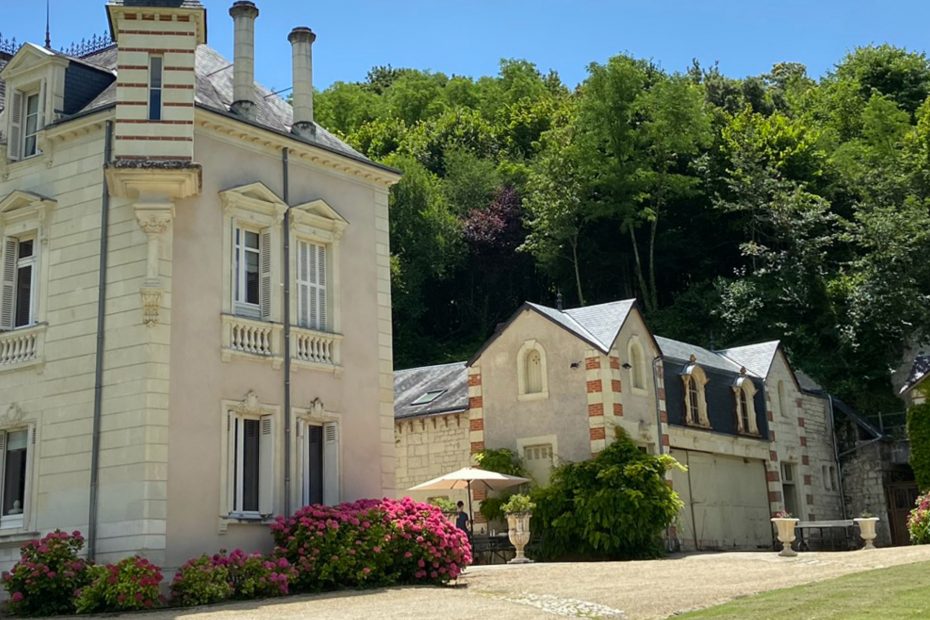
This spacious six-bedroom château overlooks the forest of Chinon in the heart of the Loire Valley, the garden of France. It includes separate stables and a coach house, backs onto amazing caves and comes with 10 acres of walled parkland.
Anna and Edward
Originally a castle protected by a moat, this is the biggest château in the Bordeaux area. The vast medieval building gets its name from “The Great Gorce” a type of vegetation which grew in this region of France around the beginning of the 16th century.
Simon and Debbie
The Château Les Bernards, in the village of Le Donjon in the Auvergne region of central France, sits in twelve acres of ground and boasts tennis court and swimming pool. Built in the 1860s, its many rooms include six bedrooms as well as seven reception rooms.
Belinda and Lee
This ancient property dates back to the 15th century and was originally built as a castle to protect the local area from marauding bands of brigands. You can still see the original owner’s coat of arms engraved in the dungeon.
Julia
Château Mas de Pradie was built in the mid-1700s, with a large barn that served as a royal relay station for horses. It was also home to an old mill that operated when the lake flooded seasonally into the cave system below.
Ithaca and Alex
This 18th century building in the Hauts-de-France region of France is actually named Château d’Humeroeuille after the town in which it was built. But its owners and locals recognise it by its nickname: Château Flore, or Plant Castle, because its garden is as famous as the building.
Tim and Krys
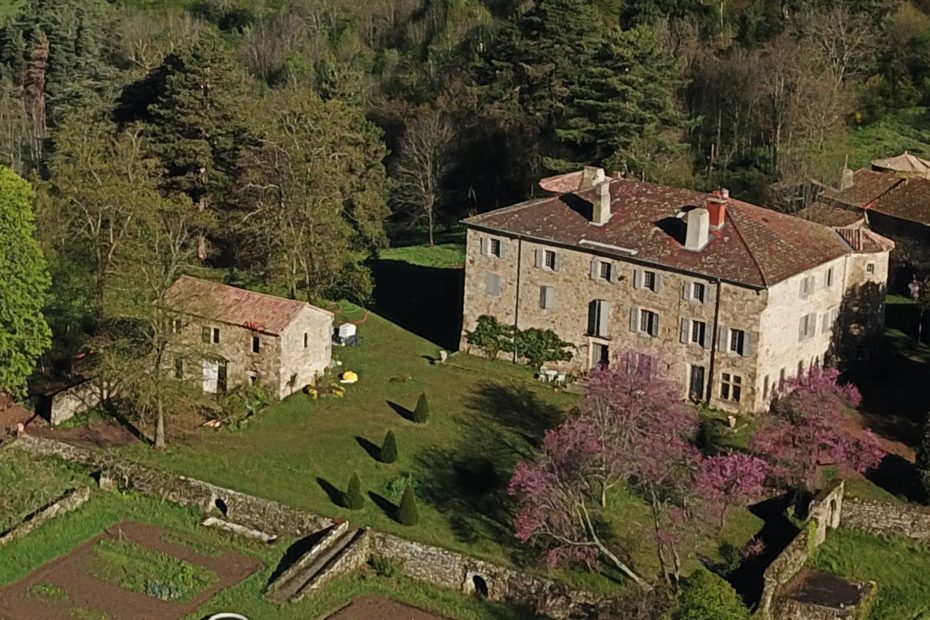
The chateau is adorned by its garden of yew hedge topiary. The mill and the forge are surrounded by secular trees. In the estate grounds you will find the tennis court and the outdoor swimming pool. There are 2 hectares of managed gardens with the stream of La Douch running through it, also a small pond which serves as a nursery to young fish that will swim their way to the vezere and dordogne river in their adulthood.
Stephanie
Mariam and Jono
The Château Domaine de la Salle was built in the 17th century by 1826 by ‘Jean Baptiste Joachim Clemot’, a celebrated surgeon in Napoleons navy. Buildings in the courtyards go back to the 17th century, and La Salle was inhabited since before the 12th century.
Anna and Philipp
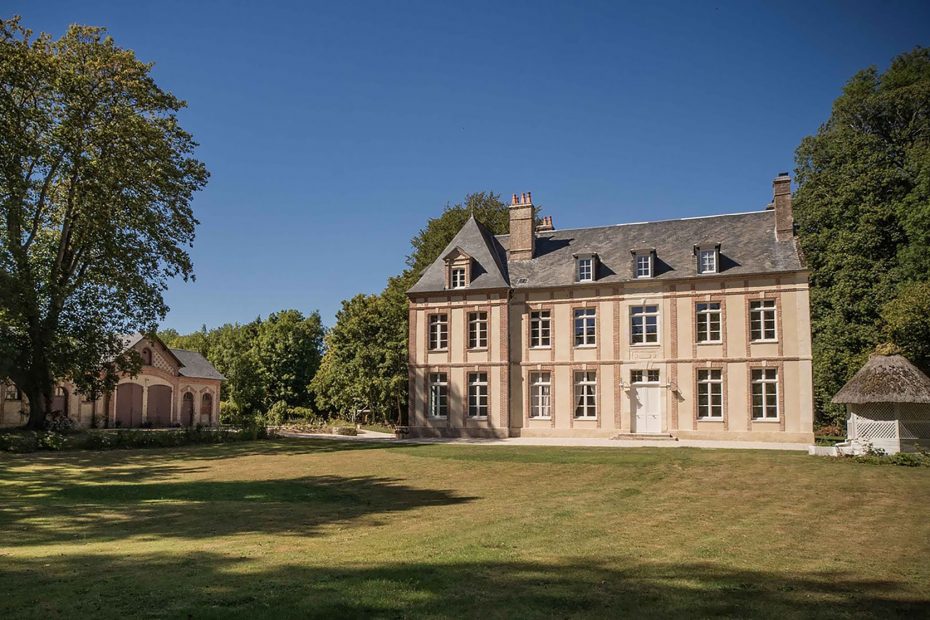
This 8th century château is situated on the edge of Honfleur, in the Calvados region of France. It was originally on a site of a fortified medieval building that had been burnt down. The main body was an 18th century hunting lodge, then a wing was added a century later.
There is no excerpt because this is a protected post.