
Château Meaume
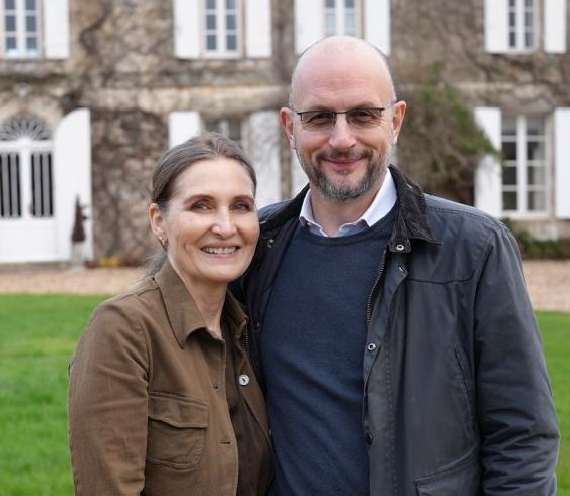
Sandra and Mark
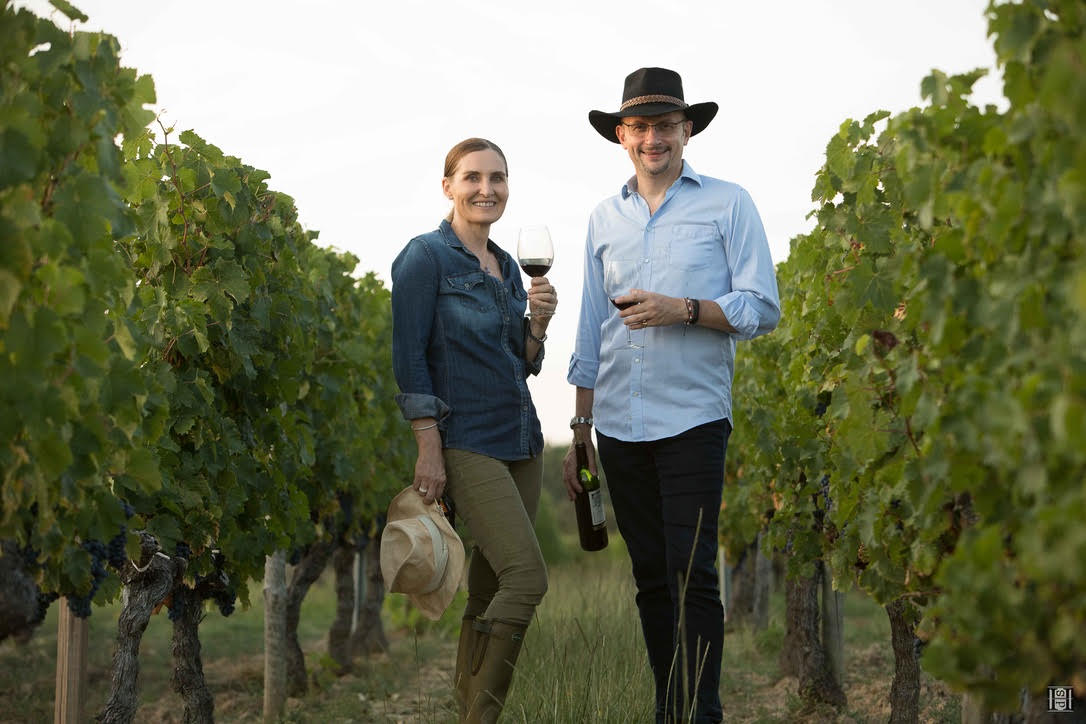
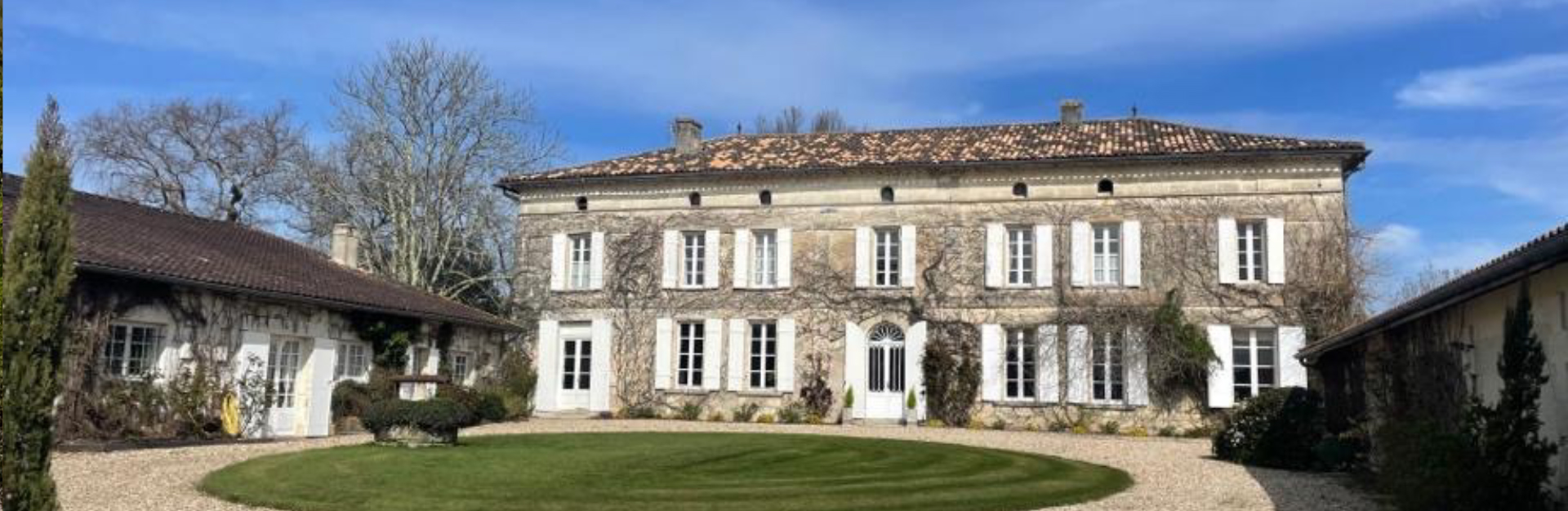
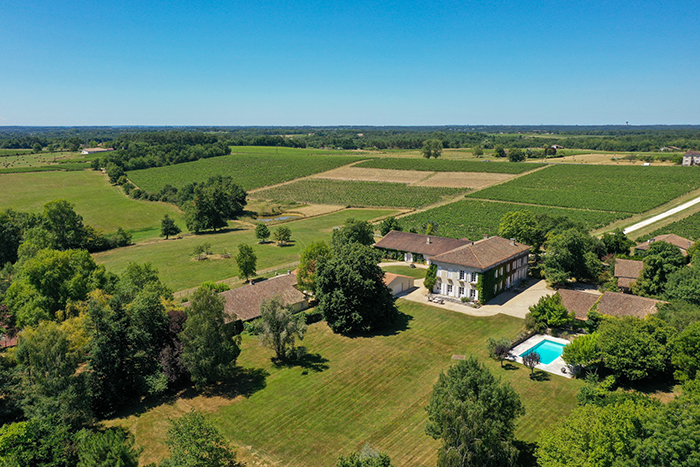
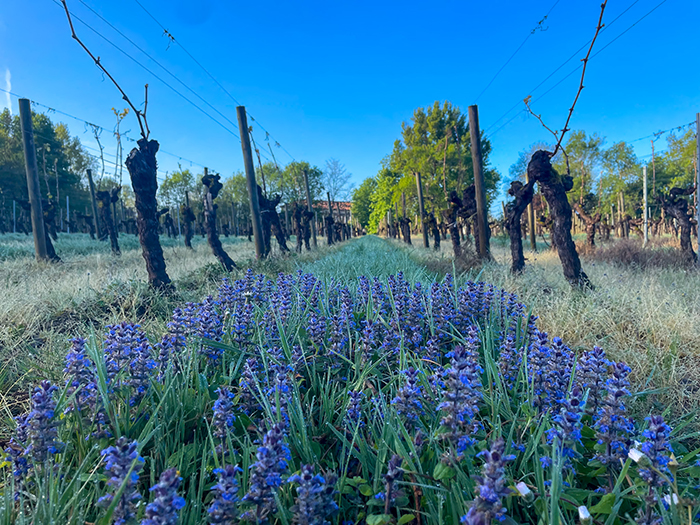
When the opportunity arose to acquire Château Méaume, the estate that had first sparked something in me as a young boy, we decided to make a go of it. We did not buy a château on a whim. We spent years walking towards it.
Planning a trip to France?
What inspired you to buy and live in a château in France?
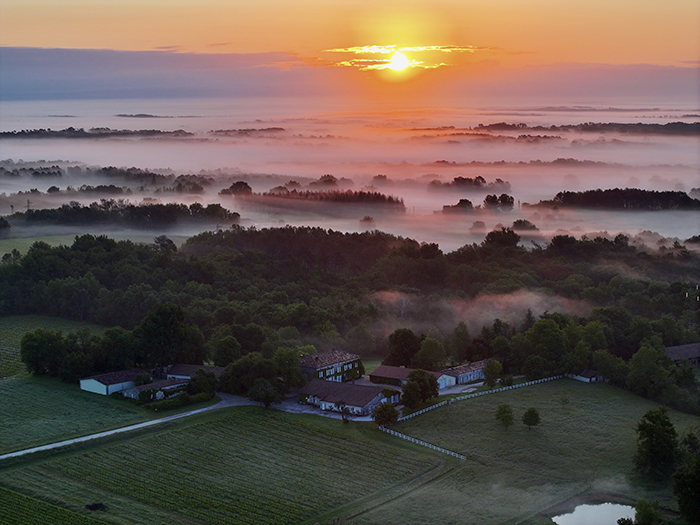
The seed was planted a very long time ago. I first visited Château Méaume as a child in the late 1970s and was completely captivated by it, the vines, the estate, the romance of the whole place. I could remember every detail that I encountered.
Sandra and I had spent twenty years living and working across Asia — Beijing, Malaysia, the Philippines, Indonesia — before moves to Switzerland and New York. It was a wonderful life, full of adventure and extraordinary experiences. But somewhere along the way, the idea of putting down roots began to feel increasingly compelling. Somewhere with meaning and with purpose.
The vineyard idea began to take shape while we were in Indonesia around 2010. Rather than treat it as a daydream, we decided to test the idea by spending a holiday working on a vineyard in Tuscany to understand what the reality actually involved. We enjoyed it!
And when the opportunity arose to acquire Château Méaume, the estate that had first sparked something in me as a young boy, we decided to make a go of it. We did not buy a château on a whim. We spent years walking towards it.
What has been the most surprising aspect of château life that you didn’t expect?
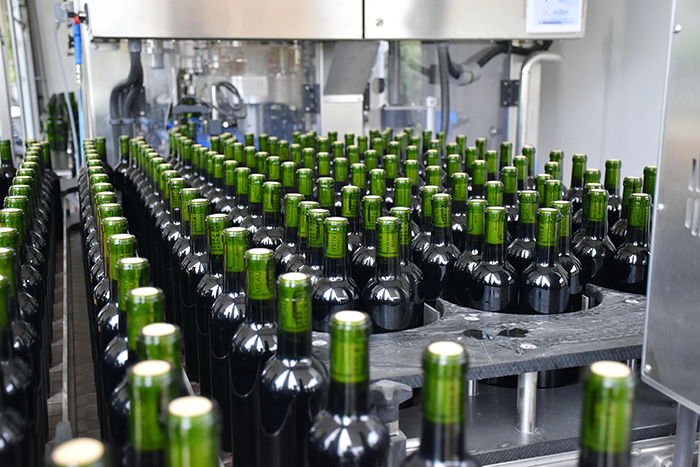
What surprised us the most was how deeply personal the wine becomes. Before we arrived at Château Méaume, wine was something we enjoyed drinking and sharing with friends. What we did not anticipate was how emotionally invested you become in every single vintage. Each bottle represents an entire year of work, worry, hope and patience.
The second surprise was the vulnerability of it all. It is important to remember that you are working with mother nature who can be completely indifferent to your efforts, and learning to accept and work with that requires a resilience that nobody warns you about beforehand.
How do you balance modern living with the historic charm of your château?
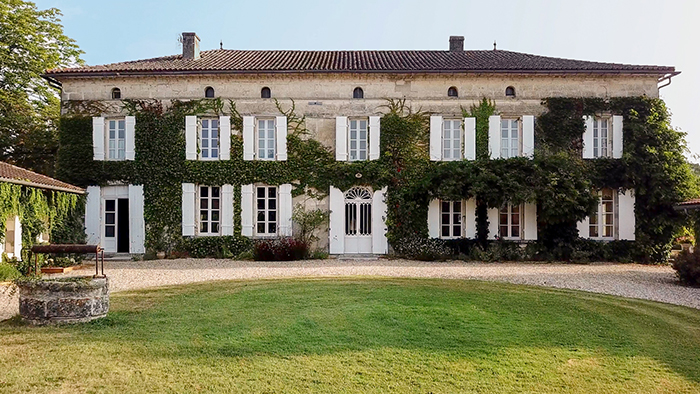
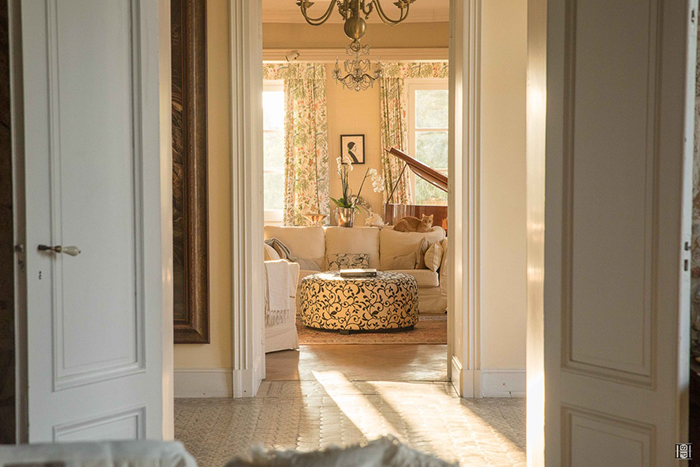
The key for us has been knowing when to intervene. Effective heating, good plumbing, reliable WIFI, these things are non-negotiable if you want to live in a chateau properly. But when it comes to the fabric of the building, the stone walls, the old beams, we have been very careful to preserve rather than replace. The history of a chateau is its greatest asset and it should not be compromised.
What are the biggest challenges of maintaining a château?
Balancing the past with the future. We are custodians of something that belongs to history. Every decision we make, whether to restore, replace or modernise carries a responsibility that a normal home renovation simply does not. Getting the balance right, respecting what has come before whilst ensuring the estate has a viable future, is the central challenge of château life.
And then there is knowing when to stop. There is always something we could do, something we could improve, something that needs fixing. Learning to prioritise, to accept that some things will have to wait, that is perhaps the hardest skill of all. A château will consume every hour and every euro you give it if you let it.
What is your favourite room or space in the château and why?
The kitchen. It is the heart of the chateau; there is always activity in and around it and it is a central gathering point for family and friends. For at its core, this is a working estate with a long agricultural history and the kitchen has always been the place where the people who work the land come together. Our kitchen is a lived-in, loved, slightly chaotic space that smells of good food and feels like the centre of everything.
What has been the most rewarding renovation project you’ve undertaken so far?
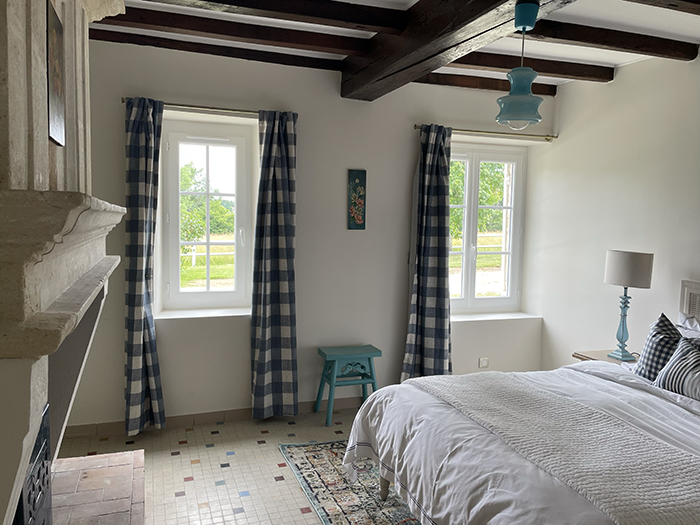
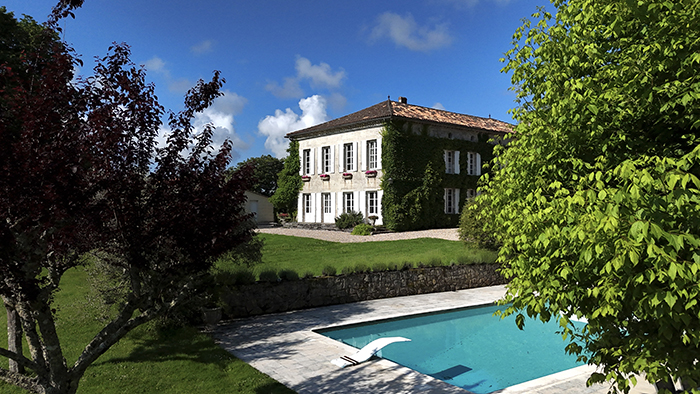
Definitely the Farmhouse. When we finally finished it was a little surreal. We had thought and spoken about renovating the Farmhouse for so long that when it was completed, all the issues, challenges and mistakes we had made and encountered were suddenly forgotten. It had taken us 2 years to complete and especially during the winter months we were not sure if we would ever get it done. However, step by step, tile by tile we managed to make it into our gîte.
Have you encountered any unexpected obstacles during your renovations?
The biggest surprise in the chateau was the electrics. There were no plans and no consistency in the wiring. We wanted to make sure it was safe and properly installed but had to take time in each room to examine what was working and what needed attention. We ended up installing new junction boxes and fuse boards, bringing everything up to a standard we were happy with. It is not the most glamorous part of a château renovation but it is arguably one of the most important.
What tips do you have for someone considering restoring a historic property?
Do your due diligence before you sign anything. Get a proper survey, understand what the chateau feels like at different times of the day and night and if possible, what it feels like during the summer and winter. For renovation cost estimates, add at least thirty percent to whatever budget you have in mind, because something unexpected always lurks behind the walls!
How do you source authentic materials and furnishings for your château?
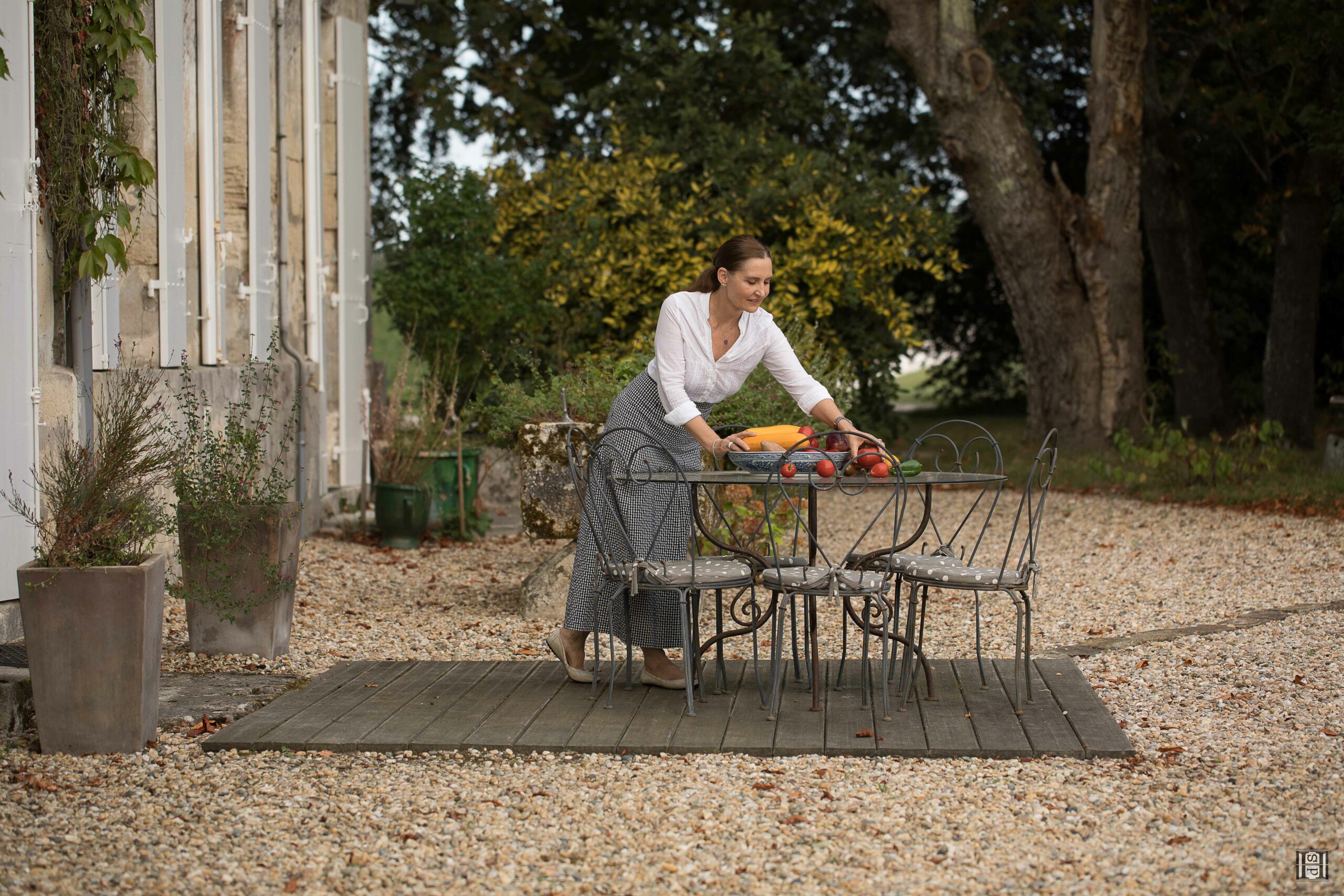
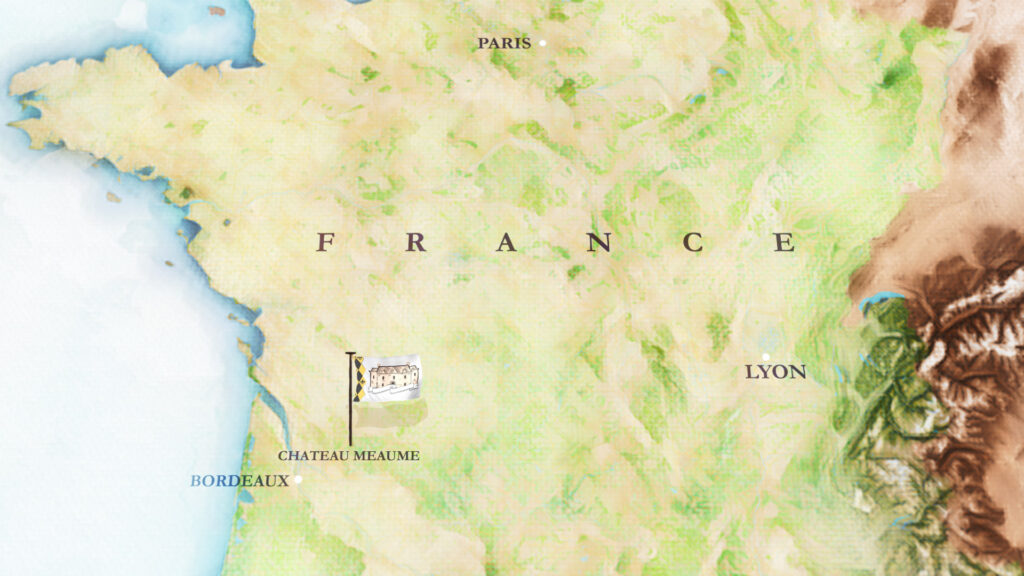
We really enjoy going to our local broncantes and antique markets that seem to exist in every village, town and barn around Bordeaux (and France!). There is something deeply satisfying about hunting for a piece that has its own history, its own story, and finding it a new home where it feels like it belongs.
What is the next big project you’re planning for the château?
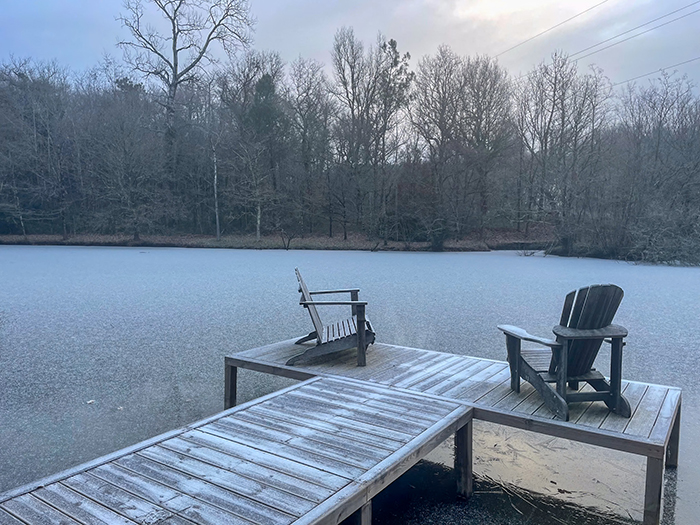
We are looking to renovate the upstairs bedrooms and a bathroom. These rooms have been patiently waiting their turn. The ambition, as always, is to honour the character and age of the rooms while creating spaces that are genuinely comfortable and beautiful to spend time in. These are wonderful rooms, large and bright with views toward the lake. Our job is simply to bring them to life without losing what makes them special.
How has living in France influenced your daily routine and lifestyle?
Lunch is real in France. You stop, you sit down, you eat properly. The working day has a structure and a rhythm that actually makes sense. Shops close for lunch and on Sundays and the world does not end. This makes working feel more grounded, more connected to something tangible. Your daily routine becomes a quality routine.
What are some of your favourite local traditions or customs that you’ve adopted?
The Sunday morning market in Libourne is perhaps the one tradition that we most enjoy and admire in France. It is a tradition with a collider-scope of fresh vegetables, fresh seafood, cheese and bread all in a beautiful, historical town. It is not just shopping; it is a social ritual. You see the same faces every week, you argue gently about which producer has the best oysters and you inevitably end up staying longer than planned.
Can you share a typical day in your life at the château?
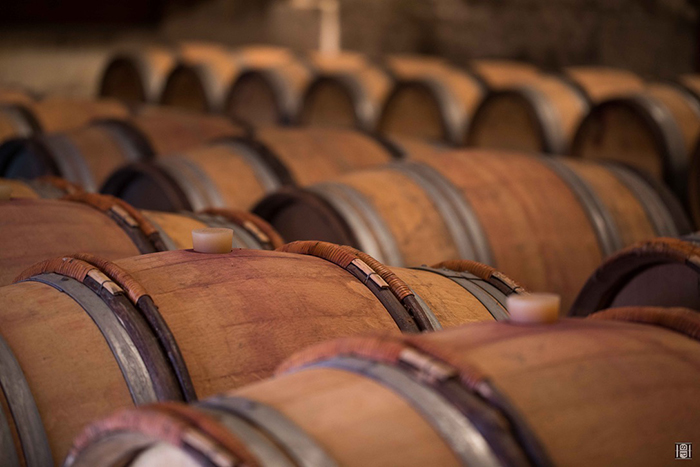
The seasons and the vineyard set the broad rhythm so a day can go in many different directions. There are wines to manage in the chai, there are guests arriving, a meeting with our viticulturalist and a mountain of French administrative paperwork and then the gardening. If something needs doing, one of us does it.
The evenings are usually quieter, it gives us time to catch-up and spend some time together.
It is exhausting, it is varied and it is never boring.
What do you love most about the local community and area?
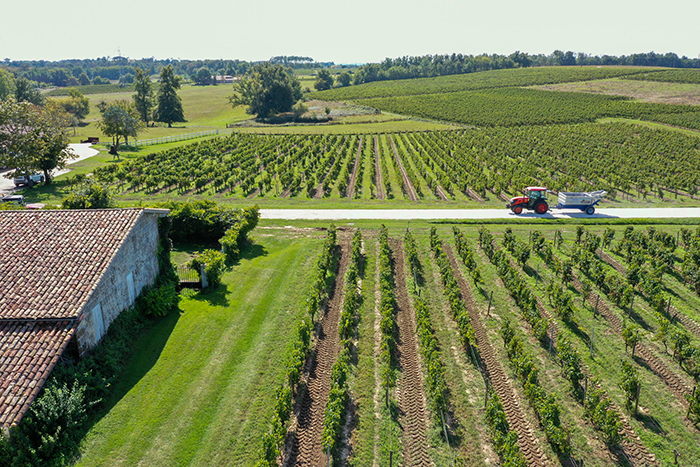
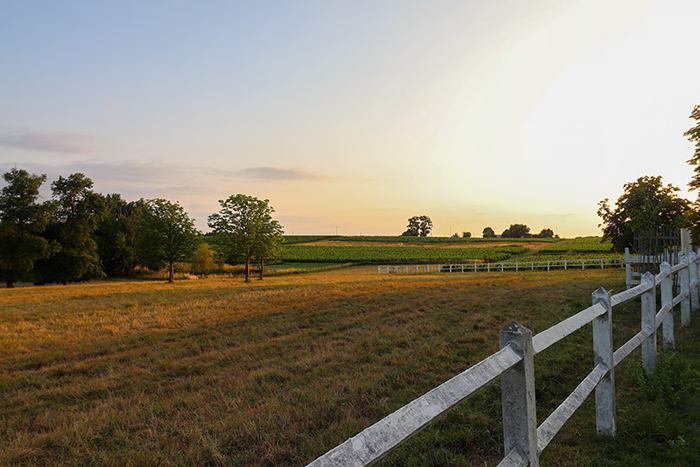
The villages, the markets, the rhythm of the seasons, the fact that Pomerol and Saint-Émilion are very close to us. Living surrounded by some of the world’s most celebrated vineyards never loses its ability to make you stop and admire them.
How do you celebrate holidays and special occasions in France?
Christmas in France has introduced many new dimensions. The markets, the food, the rituals around the table, there is a depth and a warmth to French festive traditions that we have embraced wholeheartedly.
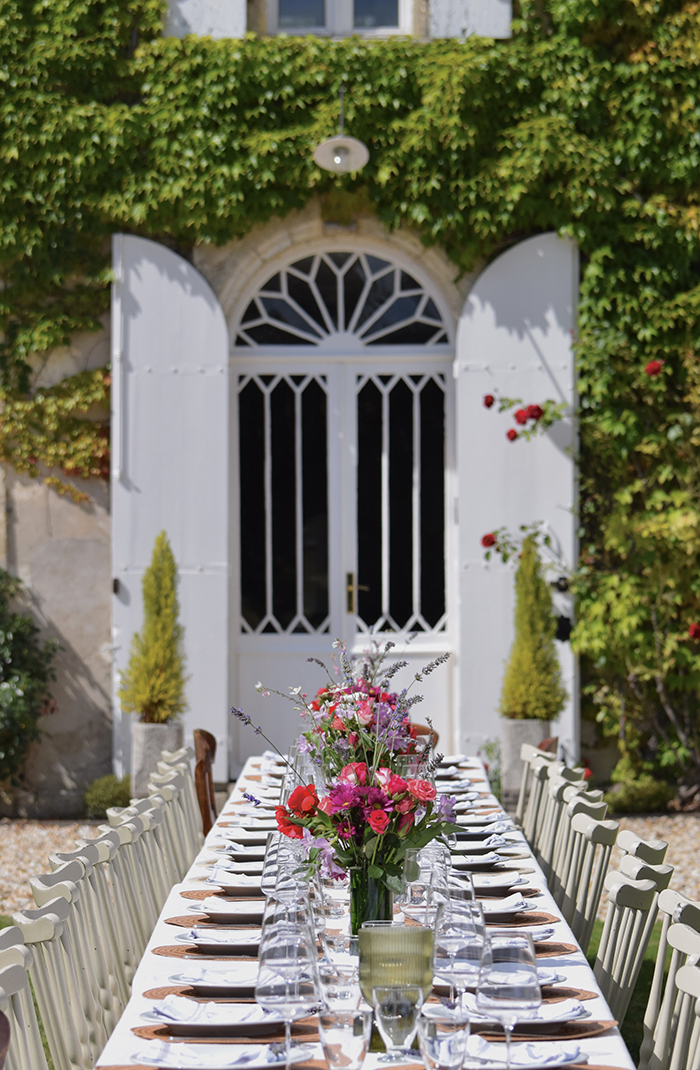
The vendange (harvest) has become an important annual celebration. There is something profoundly moving about gathering the fruit of an entire year’s work. We mark it every year with a lunch for the whole team, with lots of food and laughter.
Château Meaume Services
Booking Enquiries
Find out more or to book a stay – contact the owners here