
Le Parc
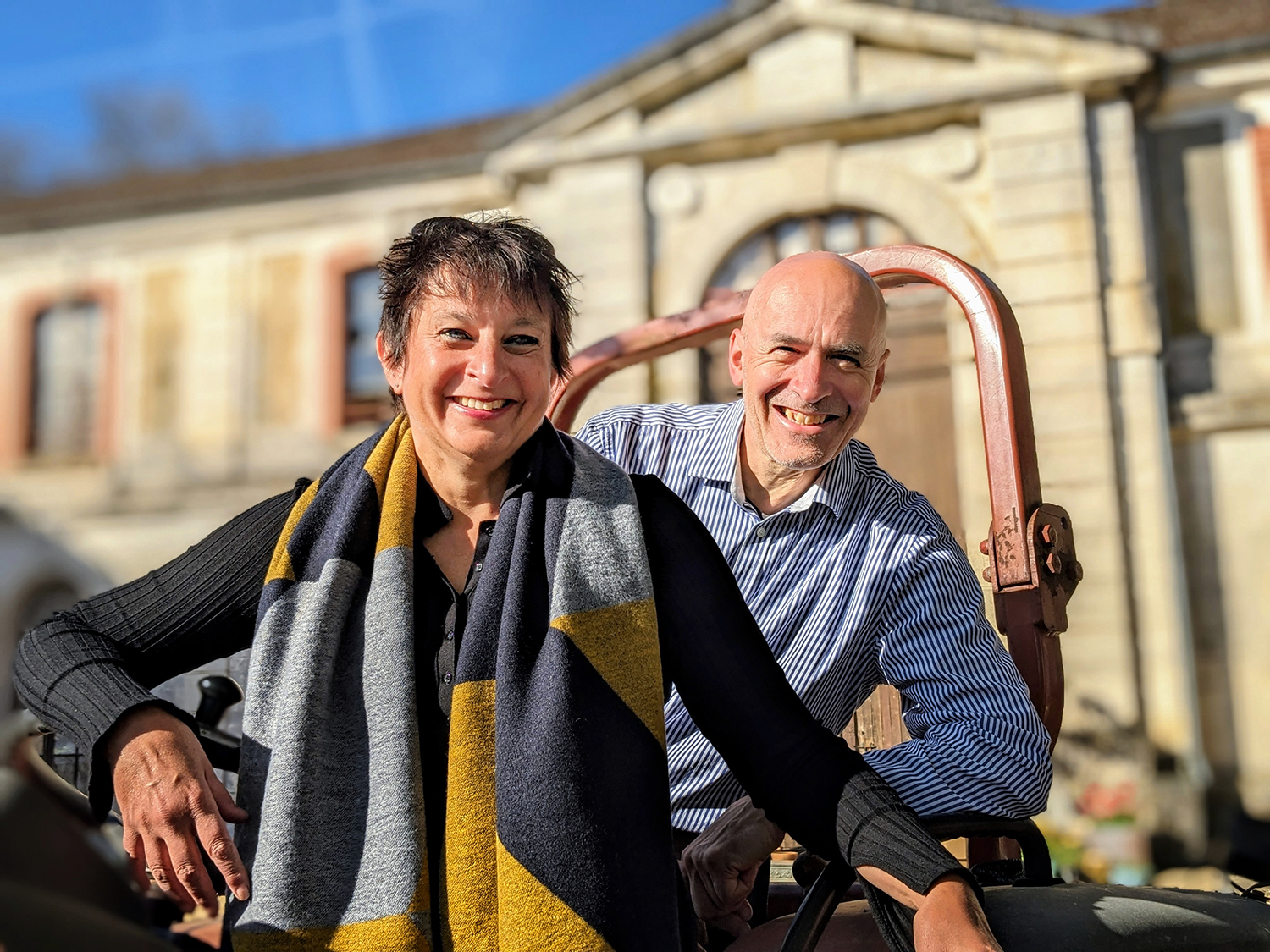
Andrew and Michelle
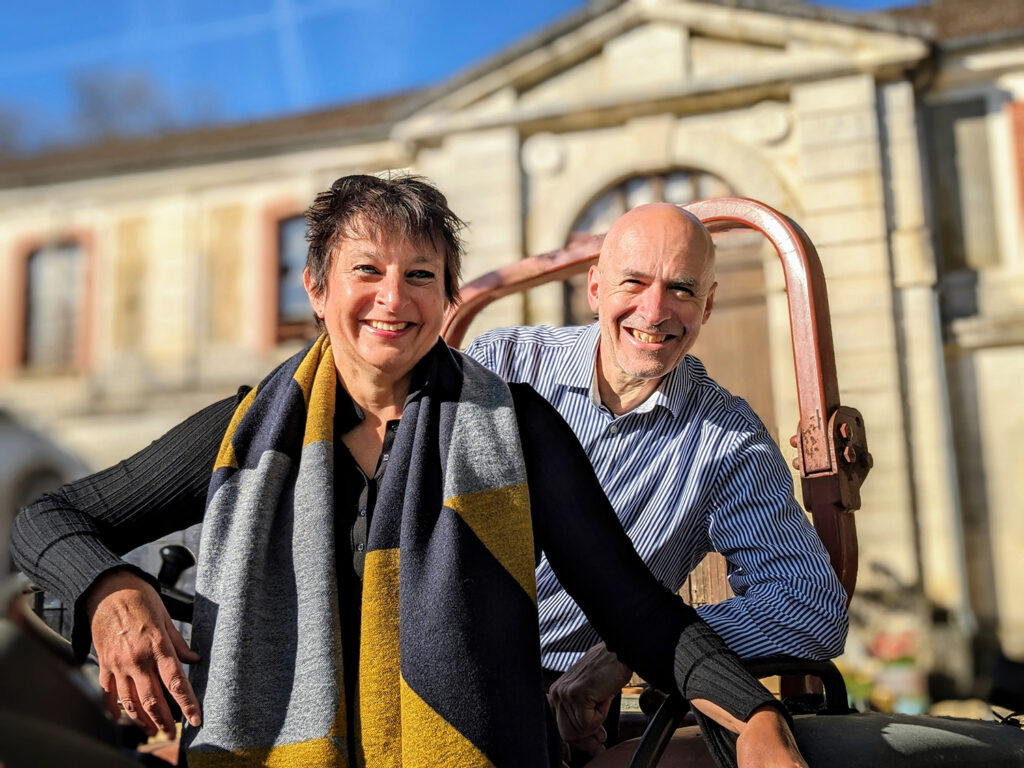
Michelle and I had been talking about retiring to a little French cottage for well over 20 years. As the kids grew up we started discussing the possibility of getting a larger place where we could be together but live independently. This would require more than a cottage and we started to think about what sort of business could we run to support a larger property.
Planning a trip to France?
What inspired you to buy and live in a château in France?
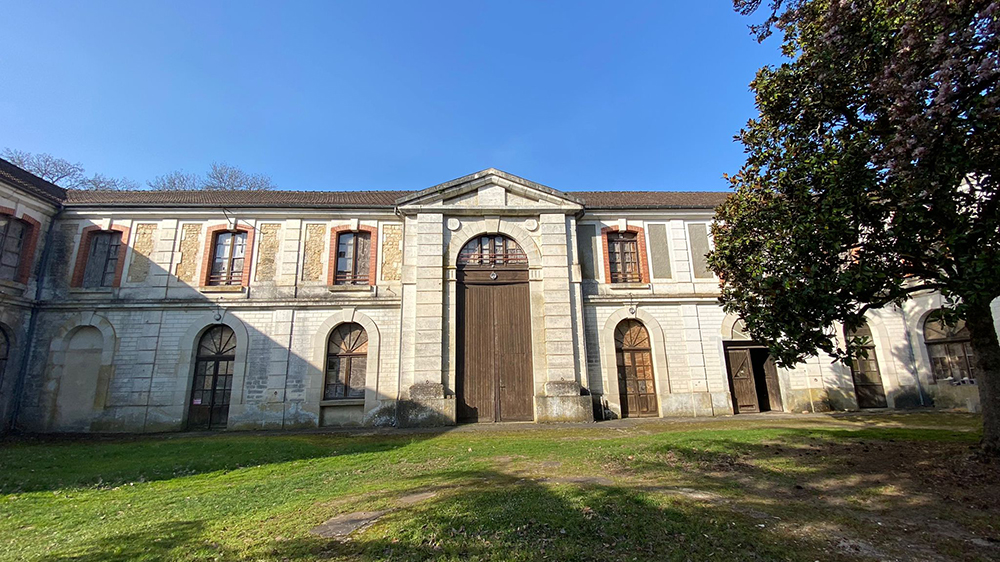
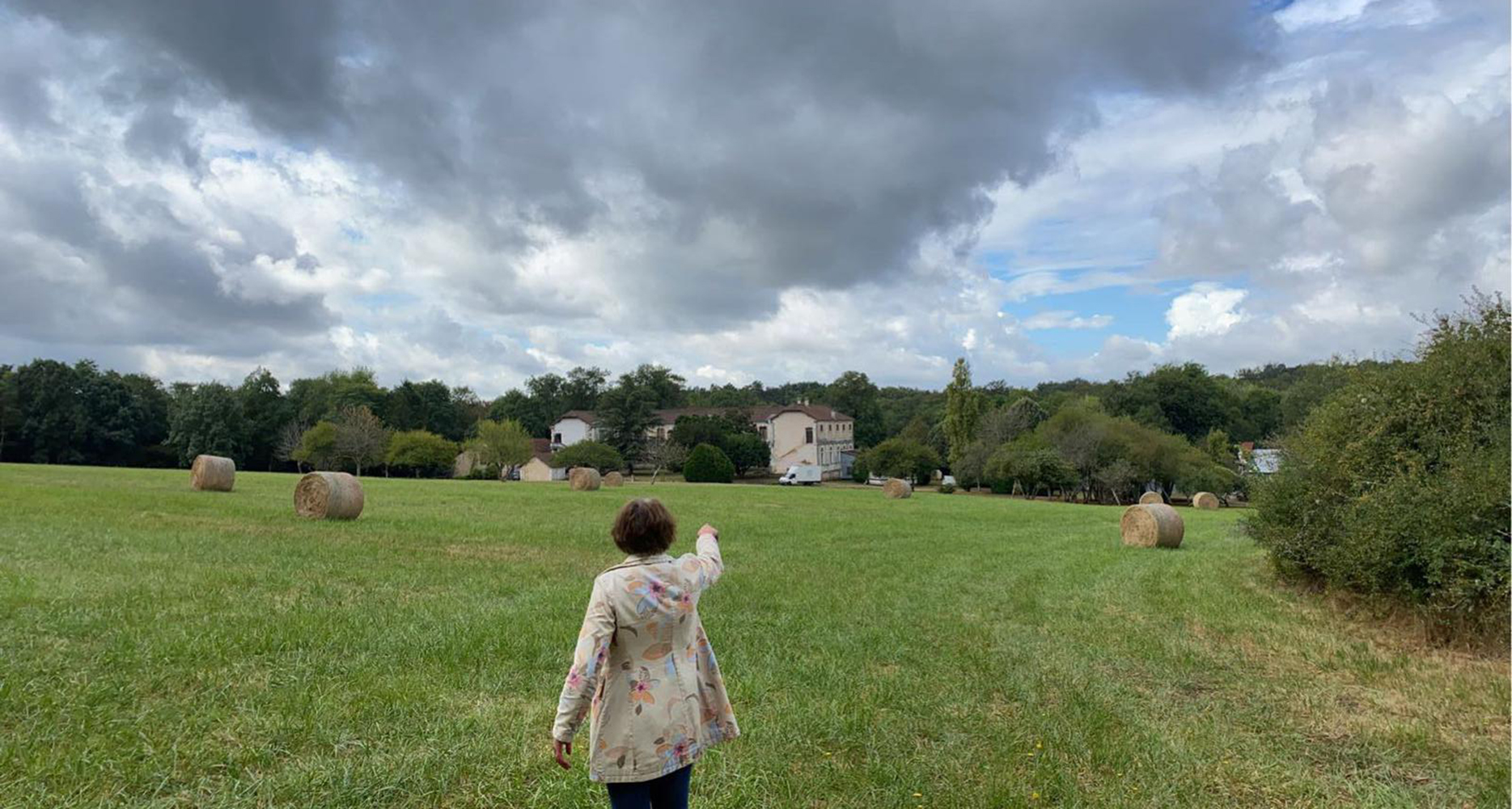
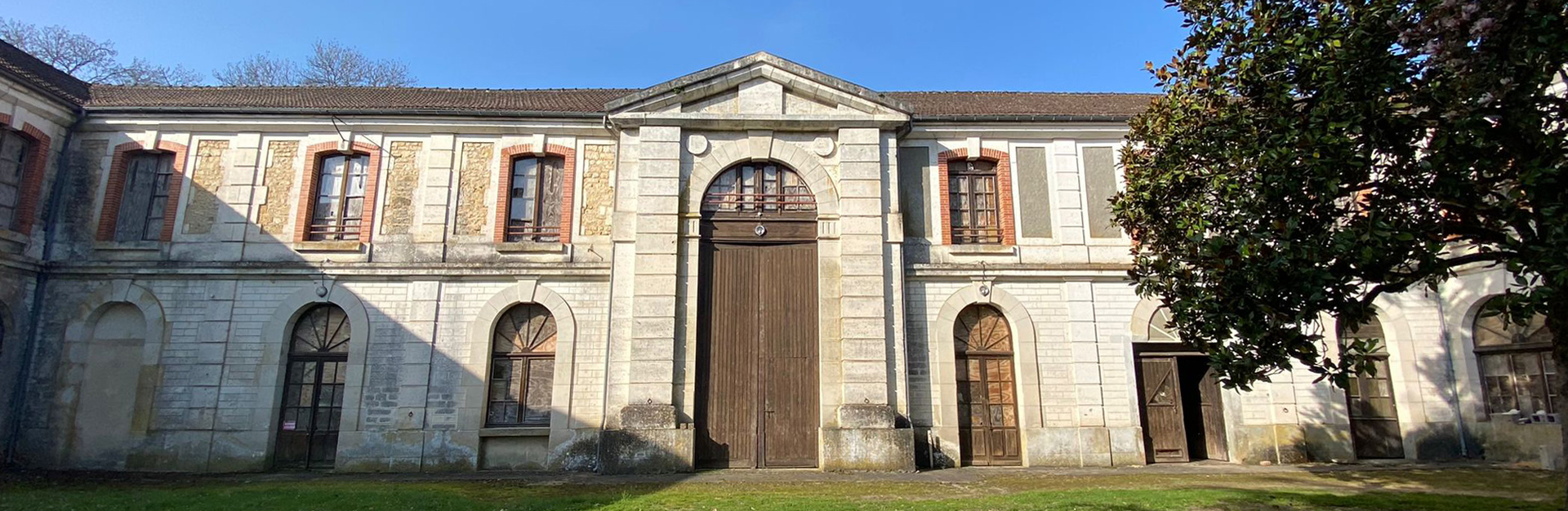
We all love music – Madison is a professional musician working in the recording industry – and we began exploring a long held idea for setting up a residential recording studio: An inspirational place where musicians could retreat to and focus on writing, creating and recording. So we had a vision. It was now a case of finding a property that would meet all our requirements. Siena was tasked with identifying suitable properties and in 2021 she found Le Parc – not a Chateau but the coach house for the now ruined chateau.
What has been the most surprising aspect of château life that you didn’t expect?
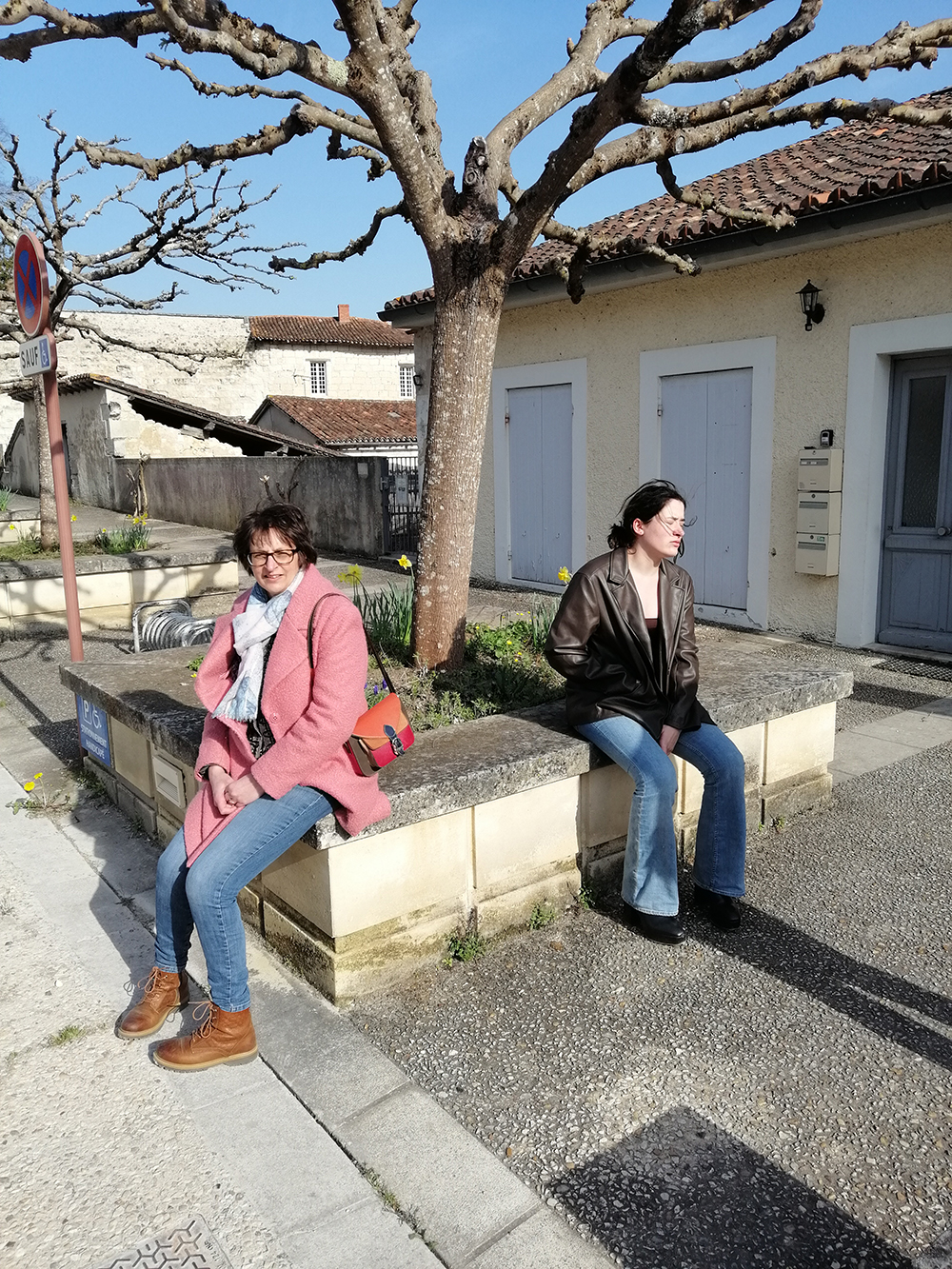
It’s very easy to become reclusive and not venture far from Le Parc! The location is idyllic and many hours are lost sitting with friends in the courtyard looking over the meadow.
How do you balance modern living with the historic charm of your château?
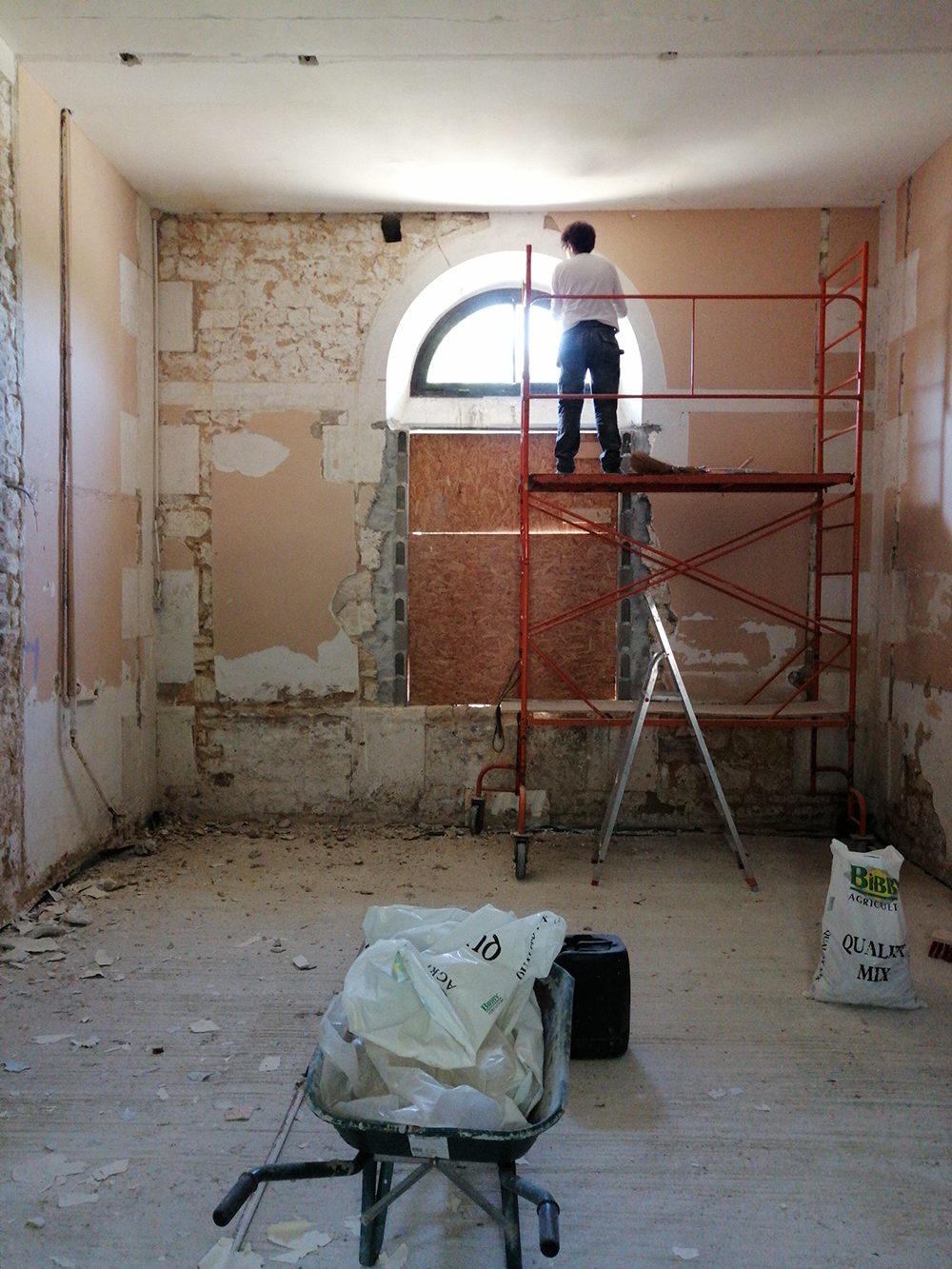
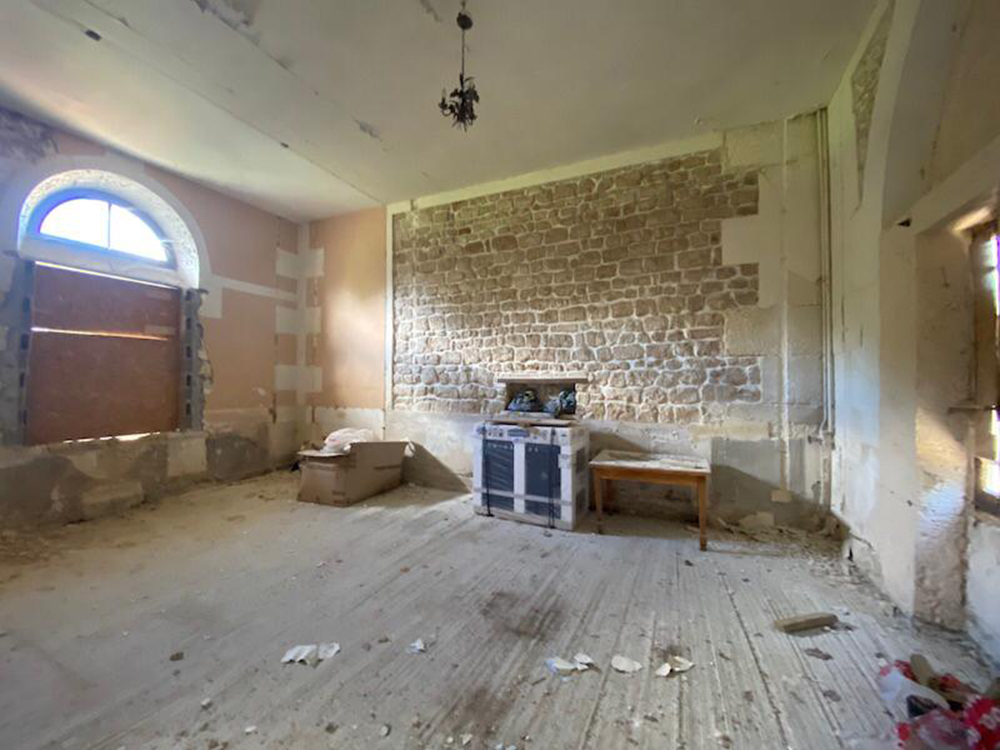
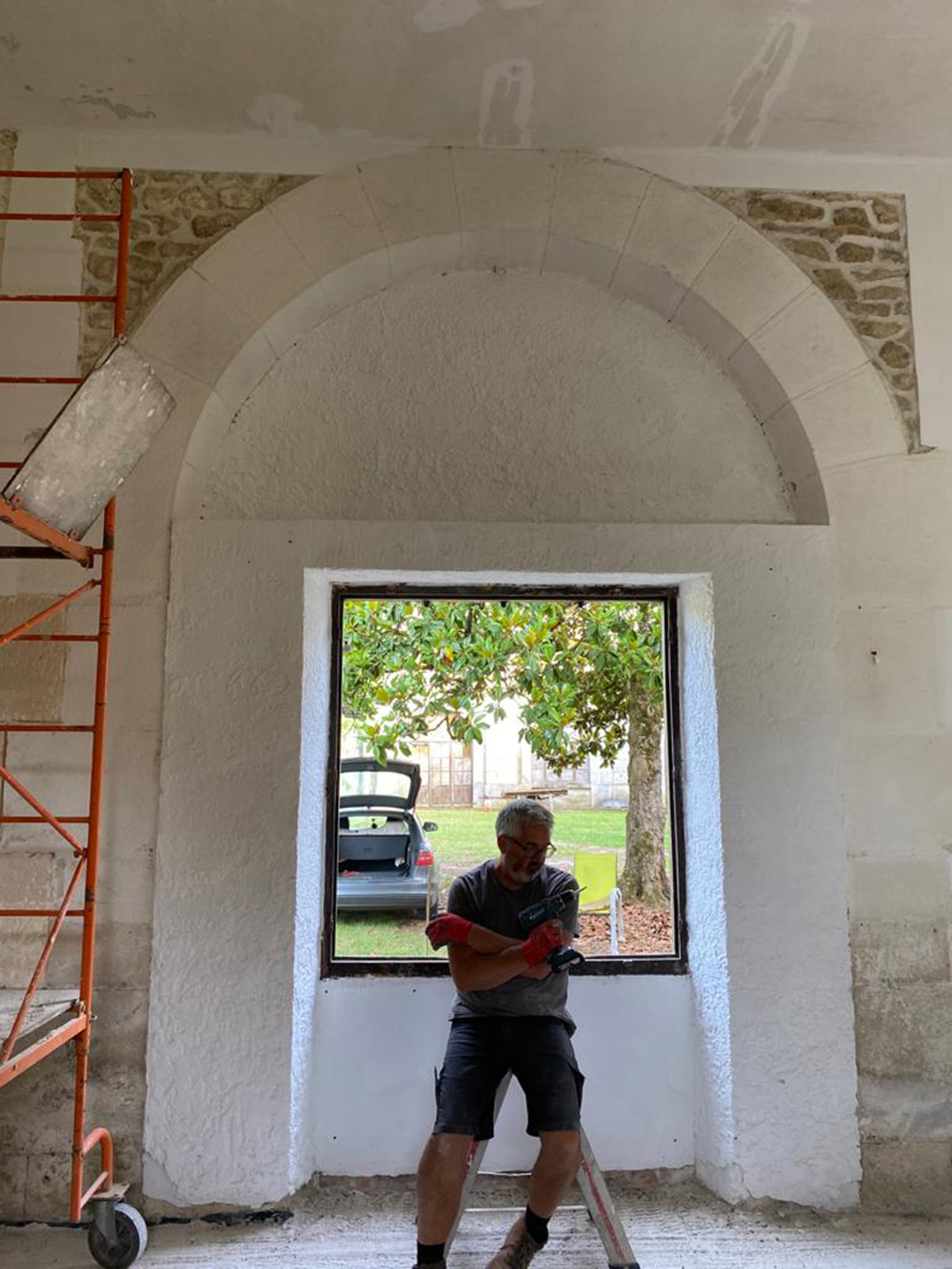
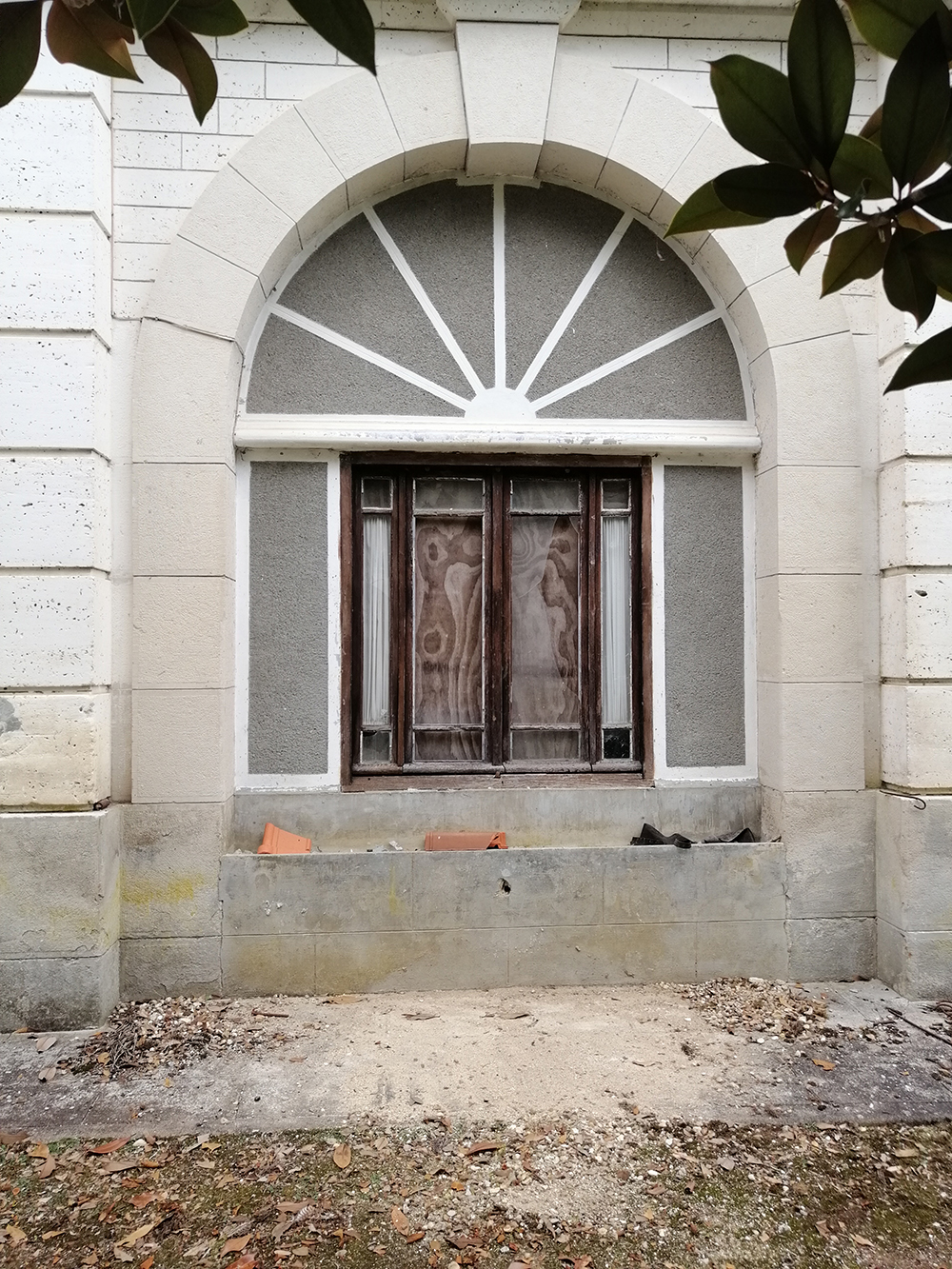
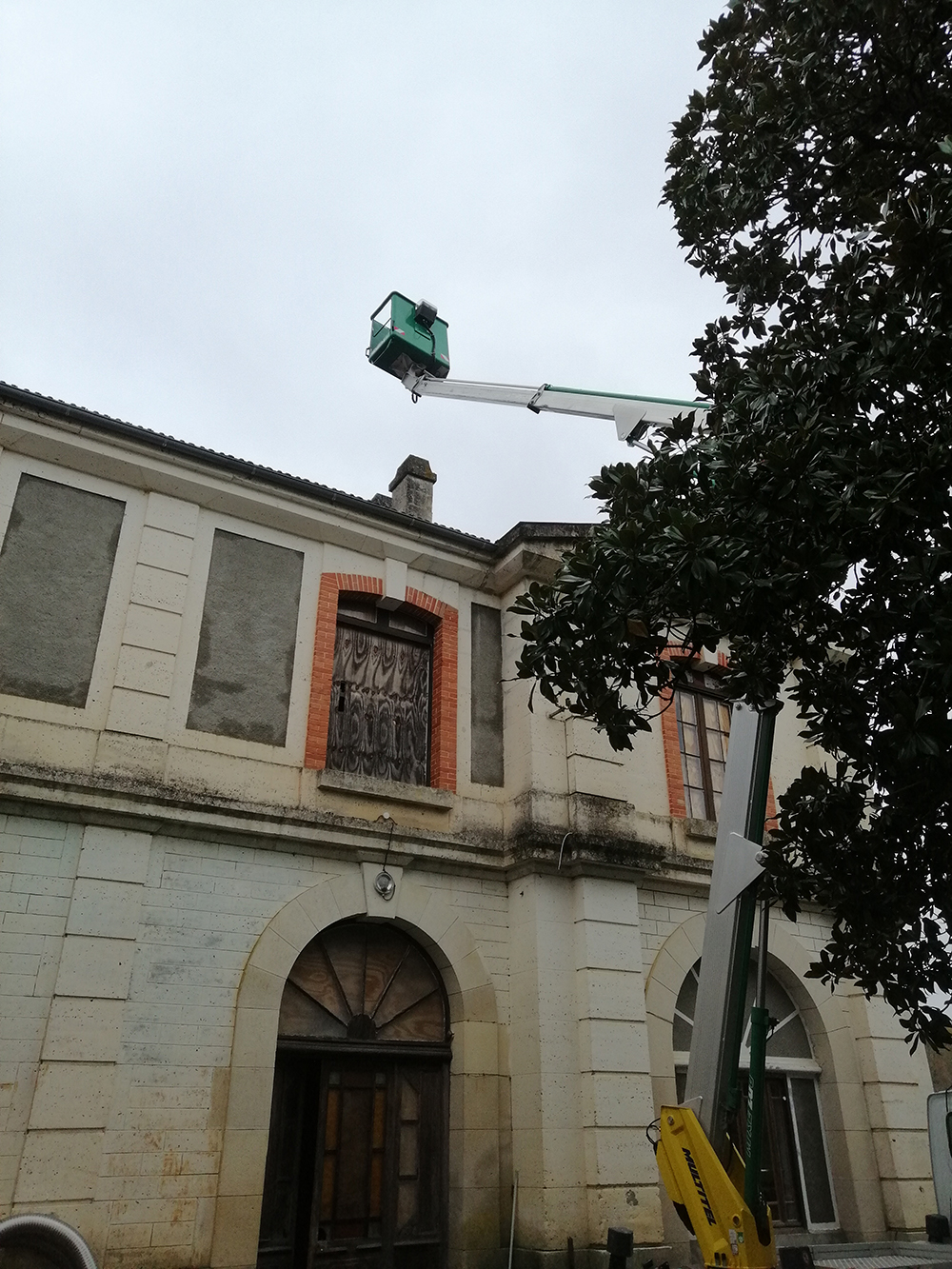
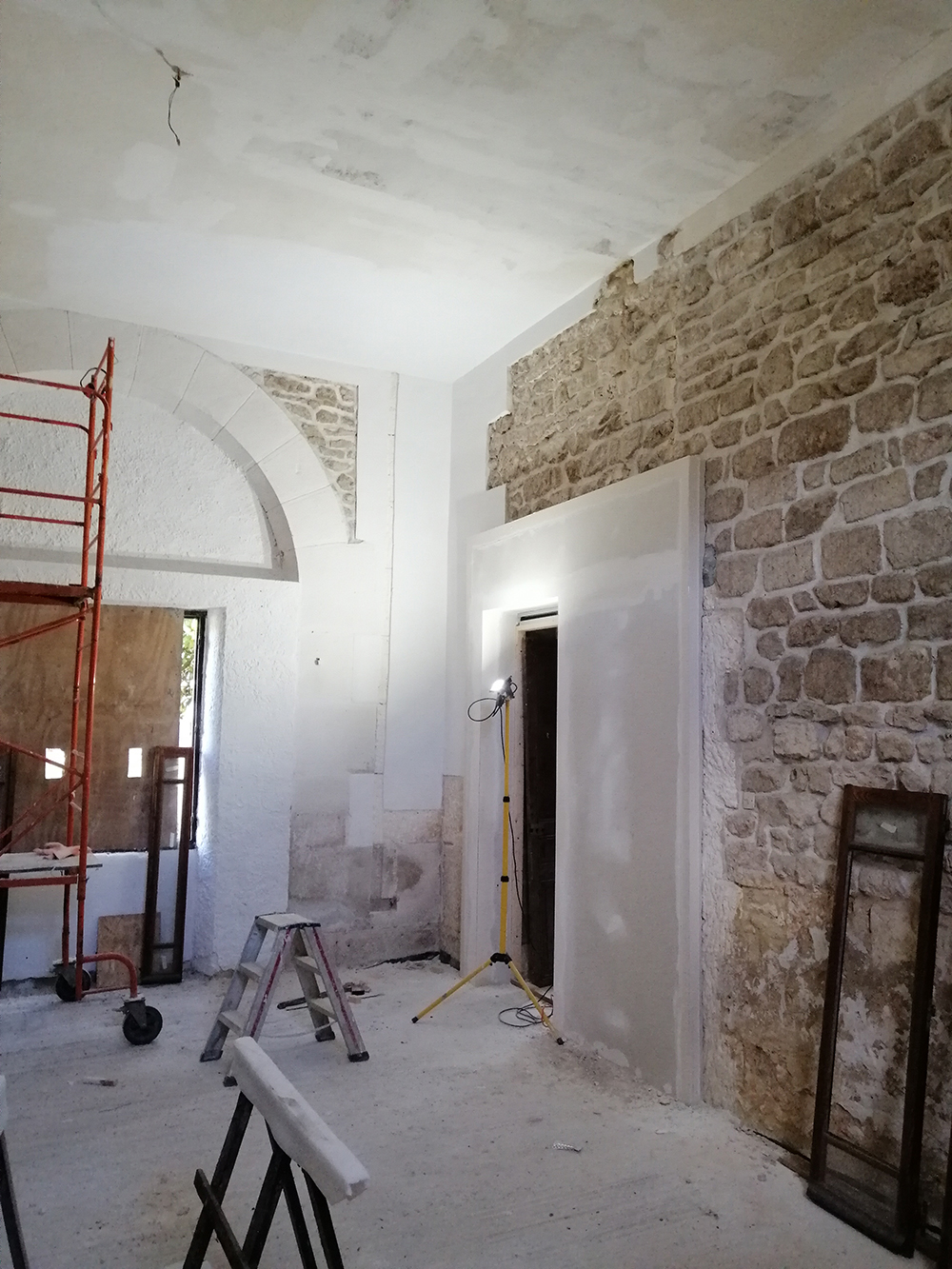
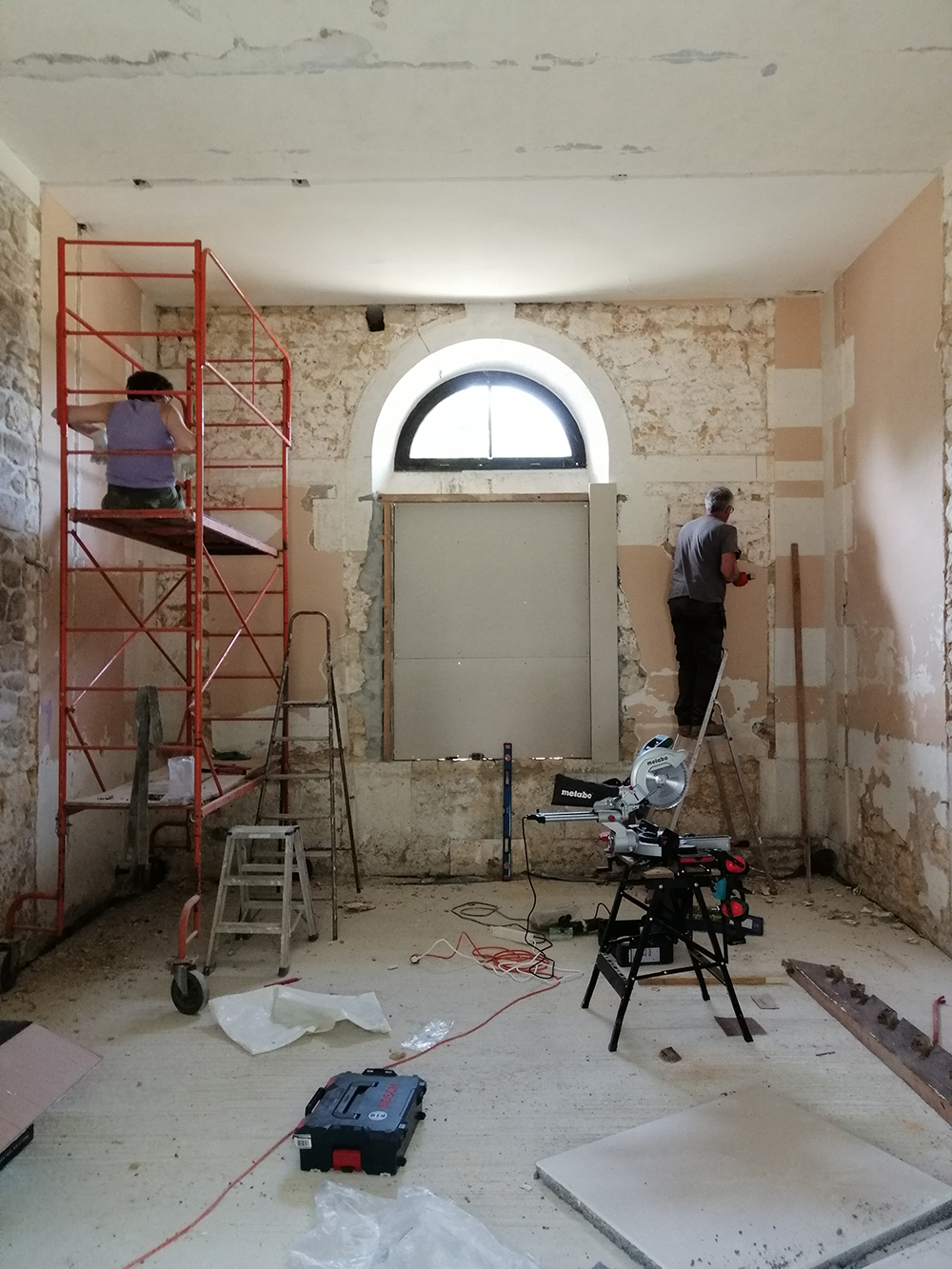
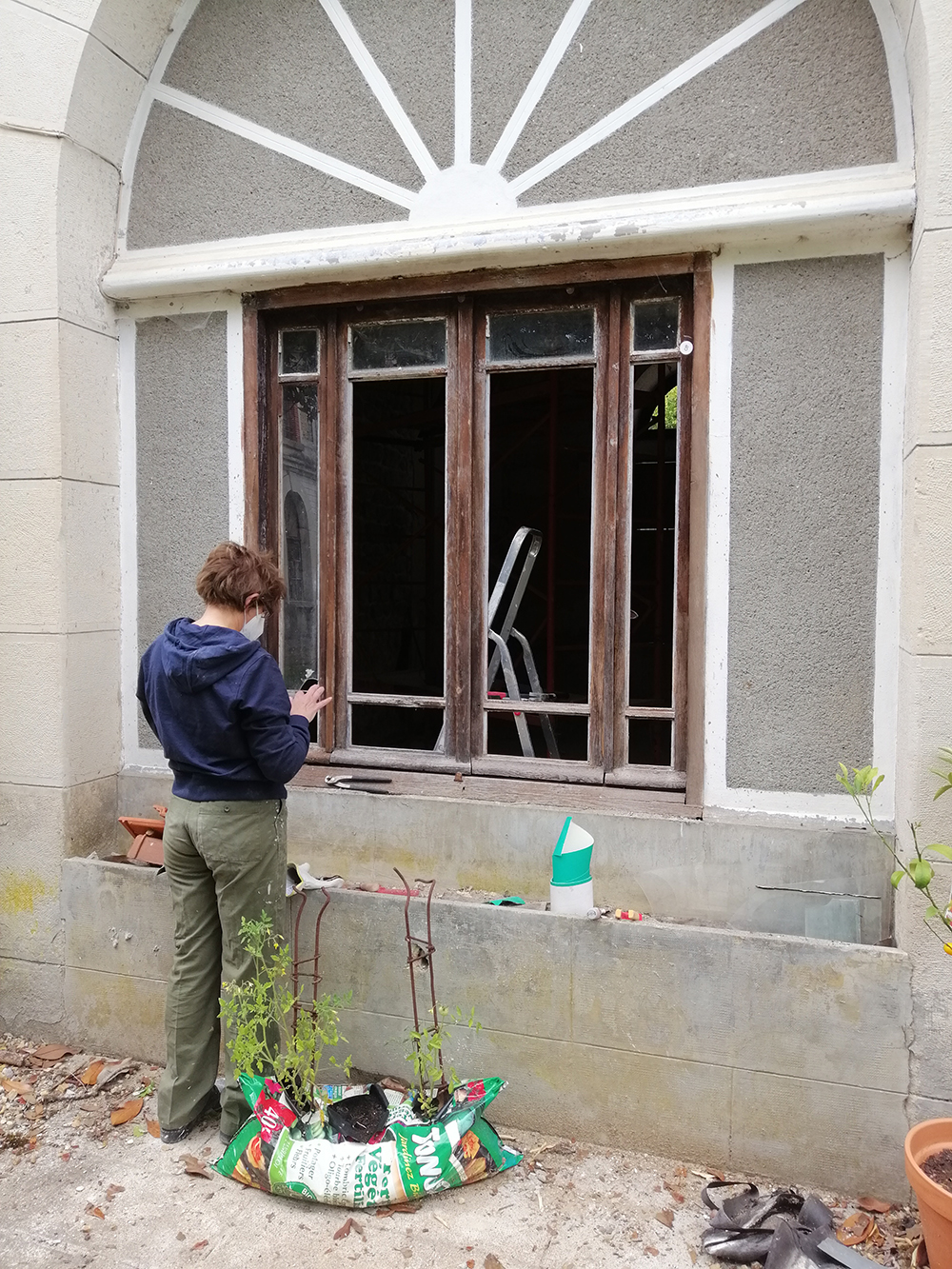
There is load and loads to do here to turn a building that has been shuttered for over 20 years into our dream home. We do most of the work ourselves but seeing the building coming back to life makes it all worthwhile. Our friends sometimes (often) say we are mad, but no one has ever told us not to do it. When we have visitors, they too are enthralled with the place and it validates our dreams for Le Parc. We all still work in the UK so there is a fair amount of travel, online meetings and phone calls.
What are the biggest challenges of maintaining a château?
Having to buy lots of just about everything. It’s big.
What is your favourite room or space in the château and why?
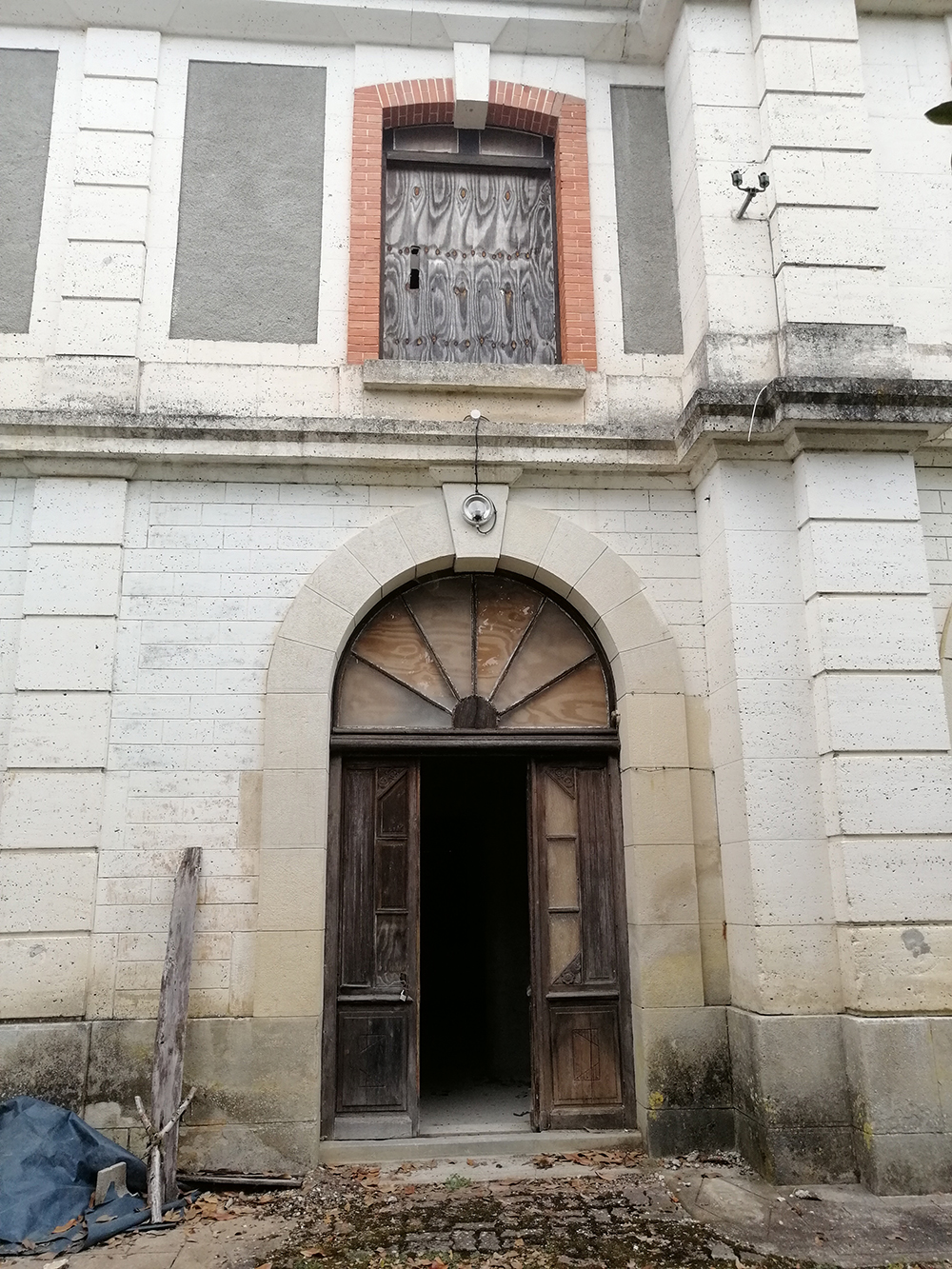
The centre piece and most striking part of the building are two stupidly massive wooden doors over 5.5m high. Inside is an almost empty room that one day will house the main staircase and entrance hall. Currently it is the home of Geraldine a 3m steel giraffe sculpture. Surreal.
What has been the most rewarding renovation project you’ve undertaken so far?
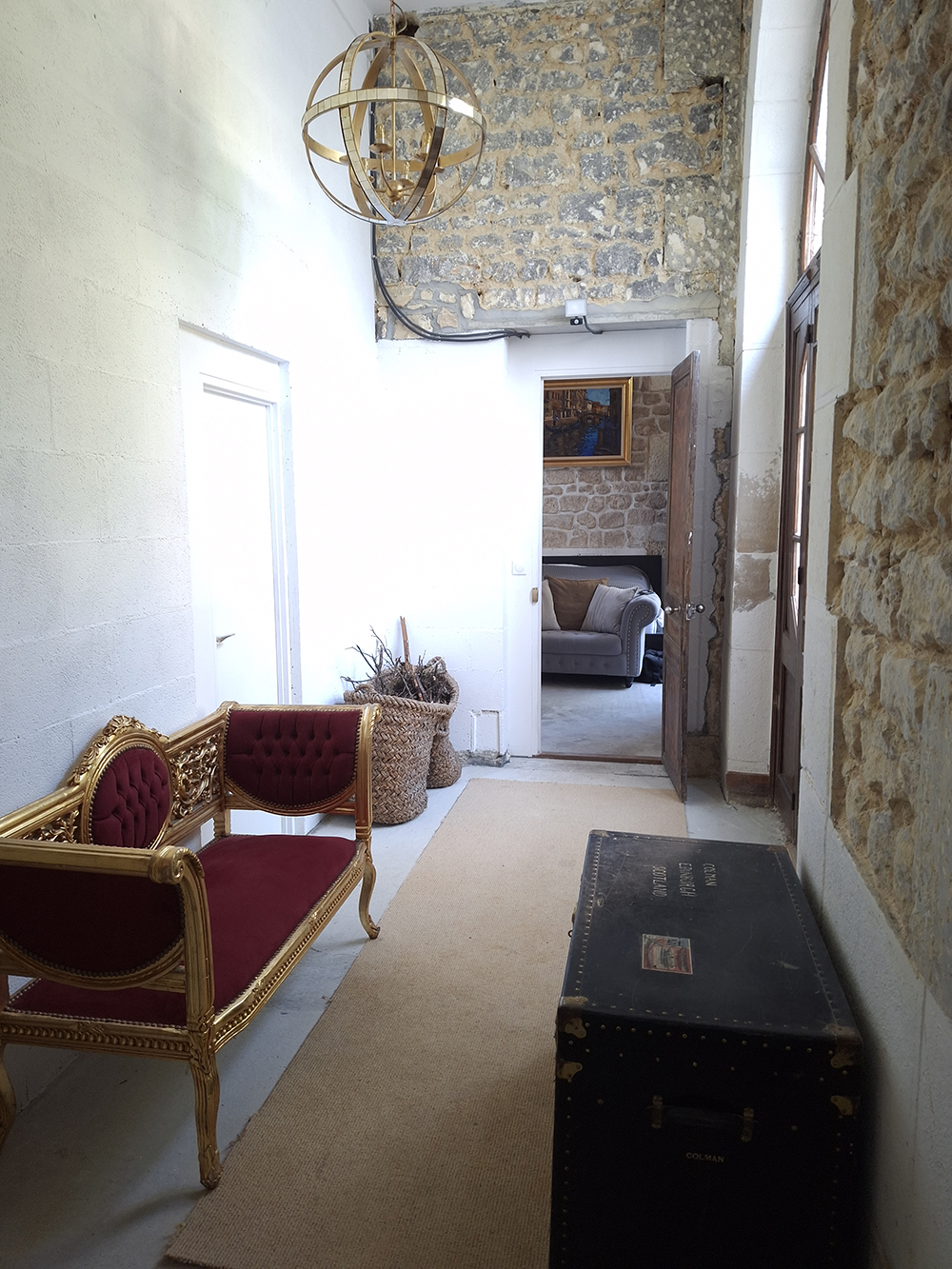
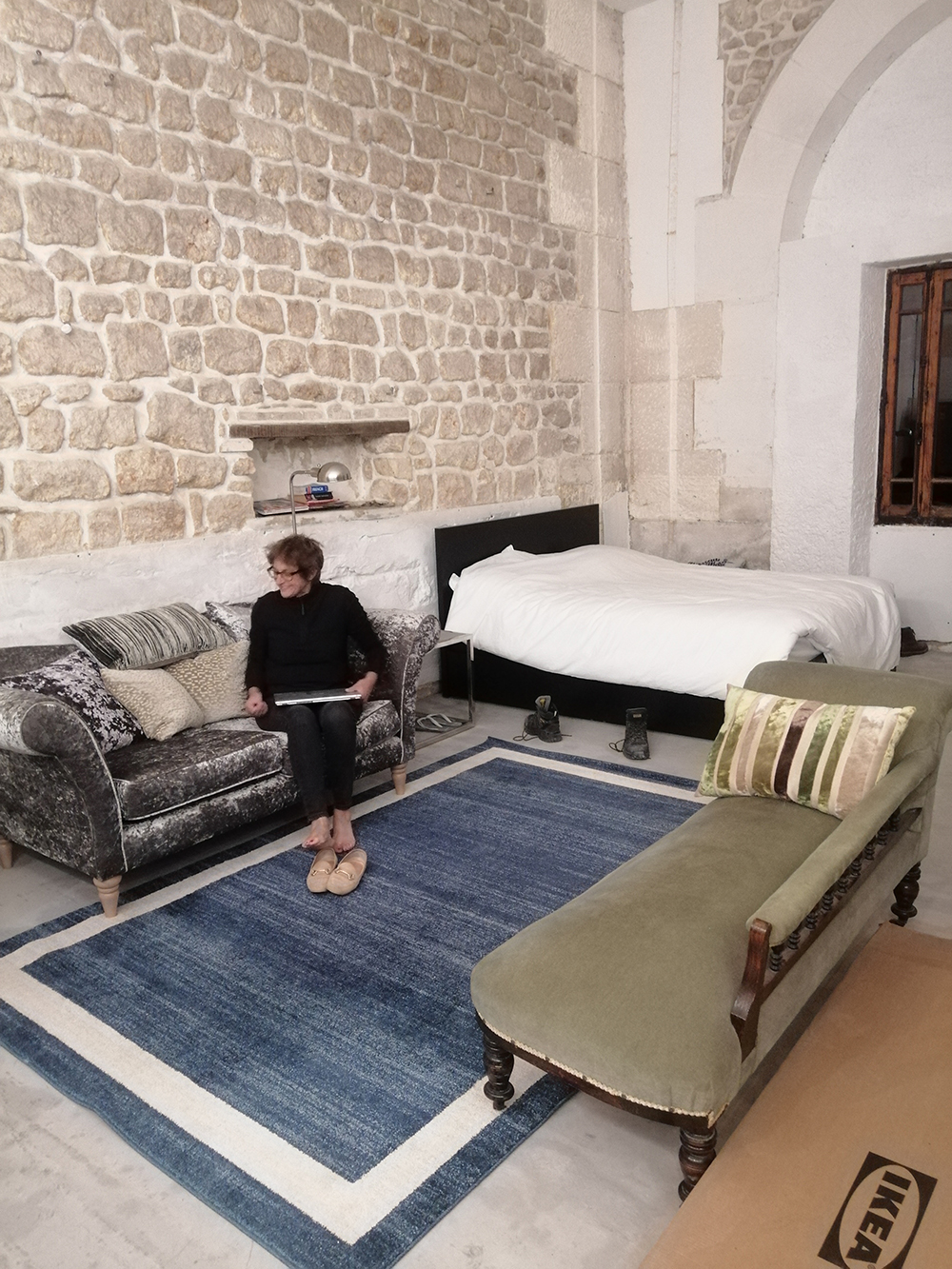
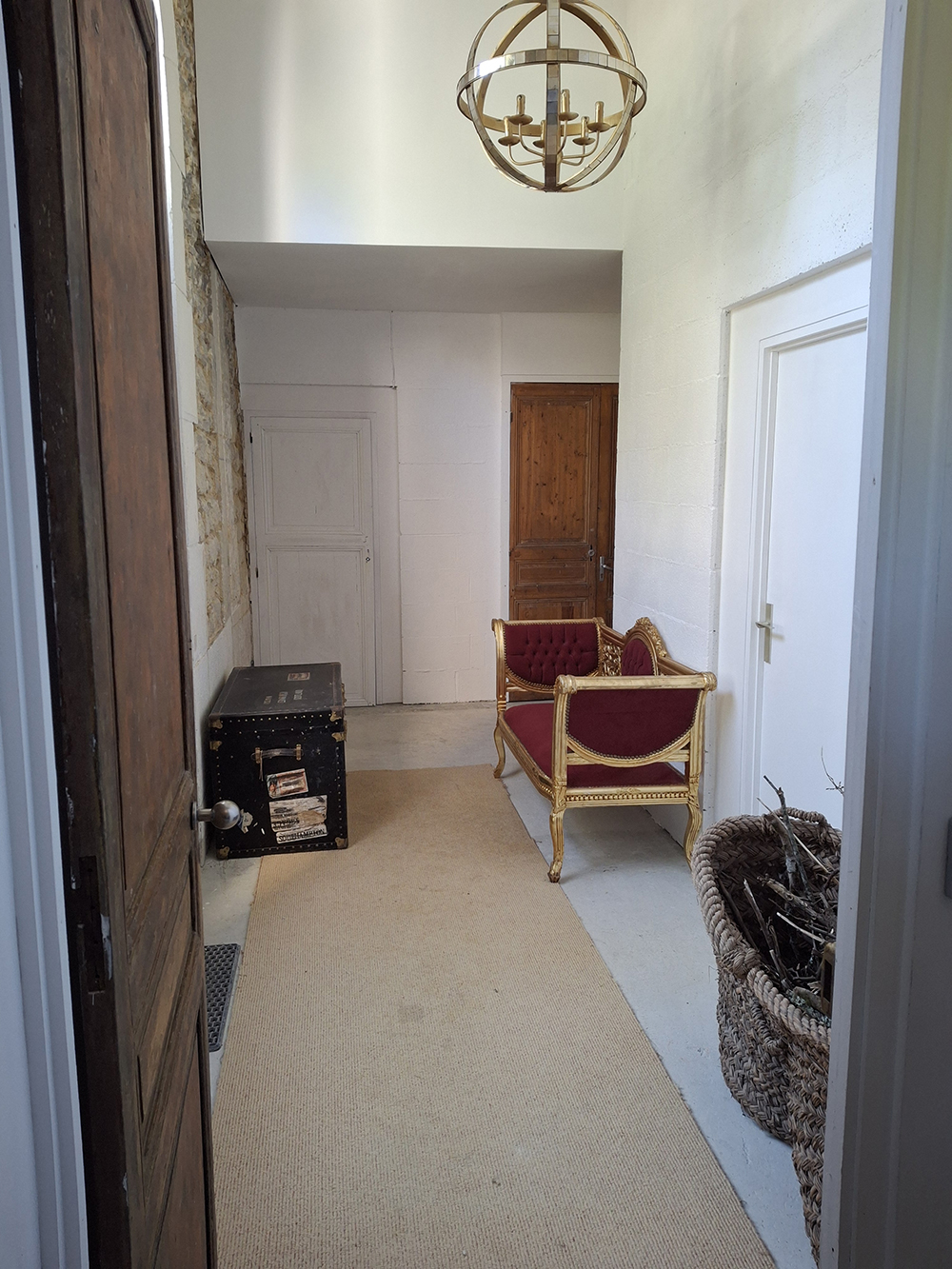
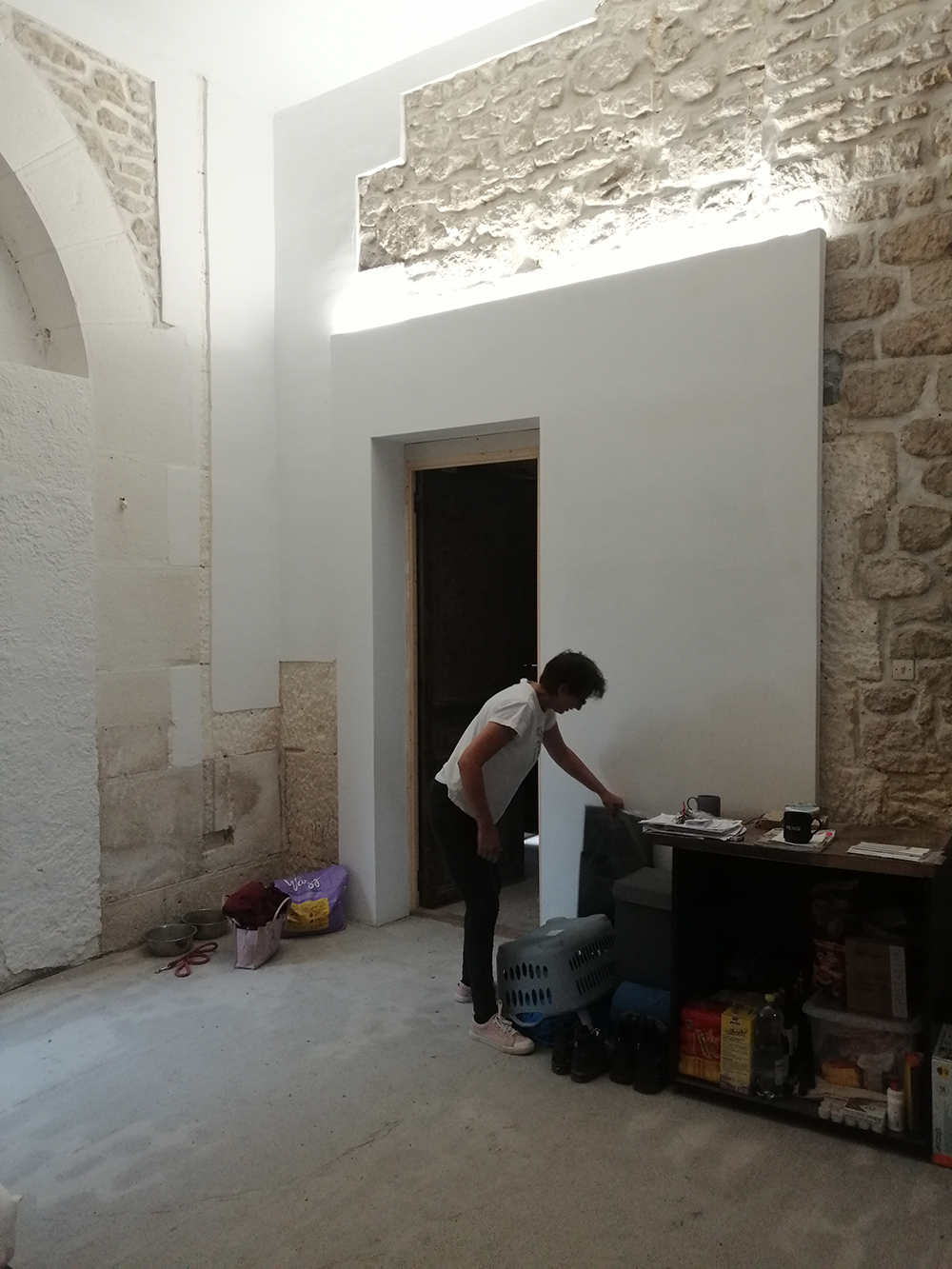
The first year was spent making a habitable area where we could live comfortably and entertain friends and family while we work on the rest of the building.
Have you encountered any unexpected obstacles during your renovations?
It took much longer than we expected to remove old pipes, cement render, rotten floors, soggy plasterboard and mouldy insulation. There are a fixed number of hours in the day. And most jobs take much longer than a day. Getting visa applications approved has also proven more challenging than expected.
What tips do you have for someone considering restoring a historic property?
Don’t rush. Get a plan together. Do lots of research into traditional materials and techniques. Repair and restore rather than replace. Liaise with local experts. And however good your planning and research is, there will always be surprises.
How do you source authentic materials and furnishings for your château?
We try to reuse any building materials that we recover from the existing fabric of the building and when we need new we try to source local traditional materials. We are creating an eclectic aesthetic for the interior, not trying to recreate a specific period so this has made furnishing Le Parc much simpler.
What is the next big project you’re planning for the château?
We are continuing to work on the artist accommodation wing over the coming year. At last, we are starting to put things back together rather than taking things apart.
What do you love most about the local community and the area where your château is located?
As you enter the village, you pass through an amazing avenue of trees that lead towards the ruined chateau. A little river runs under a bridge near our local boulangerie, about a 5-minute walk from Le Parc. We have a couple of restaurants/bars, both within easy walking distance. Less than 15 minutes’ drive is or local supermarket and building supplies
How do you celebrate holidays and special occasions in France?
Easter in the village is a special time with a street parade of floats, marching bands and majorettes. The whole village turns out to spectate or participate, with lots of fun and laughter had by all. There is a fairground on the village green and fireworks conclude the days celebrations.